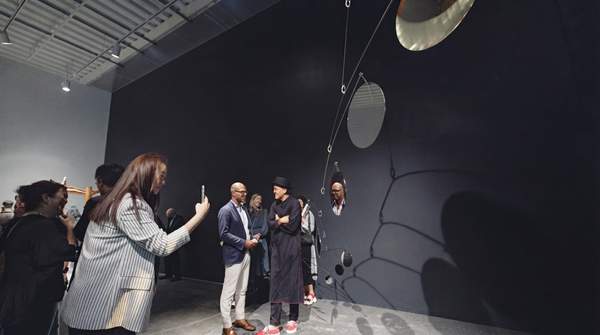
What is the evolution and cultural significance of public art installations?

User-friendly augmented reality (AR) creation tools like Adobe Aero and Art Vive now empower artists without programming backgrounds to create dynamic public art installations.

MR
Matteo Ricci

June 7, 2026 · 4 min read

A bustling city square showcasing a blend of historical monuments and dynamic, interactive augmented reality art installations, with people engaging through their devices.

User-friendly augmented reality (AR) creation tools like Adobe Aero and Art Vive now empower artists without programming backgrounds to create dynamic public art installations. These platforms layer digital content onto physical spaces, transforming static environments into interactive canvases. This opens new avenues for artistic expression and public engagement, moving beyond traditional, fixed displays.

Public art has long conveyed civic values through static, often monumental, installations. However, accessible AR tools now enable dynamic, interactive, and co-created experiences that challenge singular interpretations. This tension emerges as established public messaging meets decentralized artistic communication, fundamentally re-evaluating how communities interact with art in shared spaces.

The future of public art will increasingly blend physical and digital realms. This demands creators and audiences embrace a more fluid, participatory understanding of art in public spaces. The evolving landscape redefines the artist's role, the viewer's engagement, and the very nature of cultural narratives in public.

Public Art's Enduring Role and Expanding Definitions

The widespread availability of AR creation tools lowers the barrier for dynamic public art. This democratization challenges the historical gatekeeping of public art's civic messaging, allowing diverse voices to interpret or redefine public spaces, rather than a singular narrative. AR-enabled public art shifts from traditional spectatorship to active exploration and co-construction of meaning, according to Nature. Public art, traditionally understood through its commissioned context, conveyed civic values and national culture, as noted by Smithsonianbooks. While this role emphasized a controlled message, accessible AR tools fundamentally change its creation and experience, fostering greater interactivity. Historical precedents, like the New York City Department of Parks & Recreation's temporary installations, including Tony Smith's work in Bryant Park, as documented by Nycgovparks, show public spaces adapting to evolving artistic expressions, now extending to digital layers.

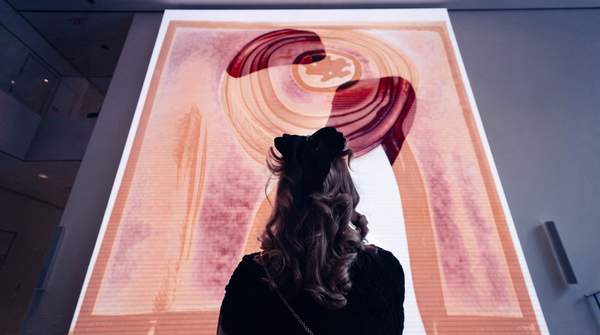
Democratizing Art Creation in Public Spaces

User-friendly AR tools mean public art commissions now curate dynamic, layered experiences inviting individual interpretation, rather than solely monumental, static expressions. While structured design frameworks for 'meaningful and impactful' AR artworks are developing, according to Nature, viewer co-construction can easily override or reinterpret the artist's original intent or civic message. This makes 'impact' subjective and potentially uncontrollable, undermining public art's traditional role as a controlled message-bearer, as Smithsonianbooks highlights. This ease of creation suggests public spaces will layer with countless ephemeral, user-generated art experiences. Such proliferation could overwhelm or trivialize monumental civic expressions, challenging the singular cultural narrative with fragmented, co-created experiences. Efforts to standardize art's 'impact' will increasingly clash with the medium's democratizing nature, as viewers actively shape meaning.

The Evolving Impact of Public Art

Research proposes structured design frameworks for AR public artworks, yet the shift to viewer co-construction means attempts to control or standardize 'impact' will clash with the medium's democratizing nature. This tension reveals a fundamental conflict between institutional intentions and individual experiences. The traditional goal of conveying specific civic values grows complex when audiences actively shape the message. AR offers the public interactive, personalized engagement and artists new mediums. Urban spaces become dynamic with layered digital experiences. However, traditionalists valuing singular, unmediated interpretation may find the permanence and fixed meaning of historical public art challenged. This evolving landscape demands a re-evaluation of public art's contribution to civic discourse and collective identity, moving toward a fluid, participatory model.

Frequently Asked Questions About Public Art

What are the benefits of public art?

Public art can significantly enhance community spaces by fostering local identity and promoting civic pride. It often contributes to economic development by attracting tourism and increasing foot traffic in commercial districts. Furthermore, public art can serve as a catalyst for dialogue and reflection on social and cultural issues, enriching the collective experience of a city.

How does public art impact a community?

Public art impacts a community by transforming ordinary spaces into memorable landmarks, thereby strengthening local character and belonging. It can also encourage social interaction among residents and visitors, creating shared experiences and fostering a sense of collective ownership. Many installations are designed to educate or commemorate, offering historical context or reflecting community values.

What are examples of famous public art installations?

Globally recognized public art includes Chicago's "Cloud Gate" by Anish Kapoor, a reflective sculpture that distorts the city skyline. Another example is "The Gates" by Christo and Jeanne-Claude, which temporarily installed thousands of fabric panels through Central Park in New York City. These works demonstrate varied approaches to engaging with public space and audiences.

What is the history of public art?

Public art has roots in ancient monuments and civic statues, commissioned to commemorate leaders or events. In the 20th century, movements like the New Deal arts programs in the United States expanded public art to include murals and sculptures in government buildings. The definition has continued to broaden, now encompassing temporary installations and digital art forms that interact with urban environments.

The Future of Public Art Engagement

If accessible AR tools continue their trajectory, public art commissions will likely prioritize dynamic, layered experiences over static monumental works, fostering a more personalized and interactive engagement by 2026.