In post-Hurricane Katrina New Orleans, a 2005 performance of Samuel Beckett’s Waiting for Godot became a profound act of community healing. Residents, many having lost everything, gathered on a makeshift stage in the Lower Ninth Ward, finding solace amidst the rubble. This ephemeral theatrical event proved public art's capacity to address deep societal needs and foster collective resilience.
Public art's capacity for deep social impact is widely acknowledged. Yet, funding structures often favor permanent, tangible works over the experimental, community-driven projects that deliver this impact. This creates a tension between traditional civic beautification and public art's potential for genuine social cohesion.
Therefore, while traditional public art will continue to shape urban landscapes, its most significant cultural contributions will depend on developing more flexible and inclusive funding and commissioning models. This shift is crucial for supporting diverse forms of public art that offer profound community healing and connection.
From Civic Beautification to Community Cornerstones
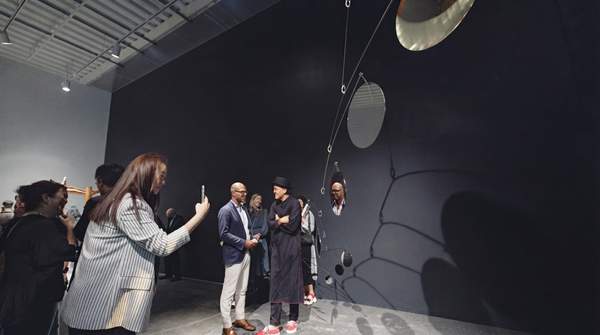
The National Endowment for the Arts (NEA) began supporting public art in 1967 through its 'Art in Public Places' program. This set a precedent for tangible, permanent works. The NEA’s initial project, Alexander Calder’s La Grande Vitesse in Grand Rapids, Michigan, became a landmark, revitalizing the city's downtown, according to Arts. This focus on urban planning outcomes created a bias in funding. It cemented public art's role in civic development, but also created a funding blind spot, leaving transformative community healing initiatives under-resourced despite their proven efficacy.
Beyond the Pedestal: Art as Healing and Connection
The 2005 performance of Samuel Beckett’s Waiting for Godot in post-Katrina New Orleans, supported by Creative Time, powerfully demonstrated public art's role in community healing. This non-traditional event offered a space for collective processing and emotional release, resonating deeply with residents facing displacement and loss, as reported by Arts. The play's themes mirrored the community's lived experience, fostering shared understanding. The 'Waiting for Godot' performance proves public art's deepest impact often comes from non-traditional, participatory experiences, not just tangible objects. Yet, such projects often struggle for funding within established frameworks.
The Unseen Struggle: Funding Innovation in Public Art
Funding temporary, non-object based, or experimental Public Art is difficult without a tangible outcome, according to Imma Ie. This reveals a systemic failure to value community cohesion over concrete aesthetics, as funding prioritizes visible results. Intermediaries like Local Authority Public Art Officers and independent agencies are crucial. They support artistic autonomy and experimentation, Imma Ie states. However, their efforts are stymied by funding bodies prioritizing permanent outcomes. Public art's evolving nature demands adaptive support systems and dedicated intermediaries to ensure its most innovative forms thrive.
Why Public Art is More Vital Than Ever
Public art offers a unique civic resource, fostering dialogue and collective identity. Its ability to reflect, challenge, and heal makes it indispensable for contemporary society, especially during rapid social change. Moving beyond static monuments to embrace participatory and ephemeral forms, public art creates spaces for shared experience and communal memory. This broad scope, connecting people and addressing social challenges, is essential for public art's evolution and cultural significance.
Your Questions About Public Art, Answered
What is the definition of public art?
Public art generally refers to art in any medium that has been planned and executed with the intention of being sited in the public domain. It is often site-specific, accessible to a broad audience, and can encompass diverse mediums from sculpture and murals to performance and digital installations, extending beyond traditional gallery spaces.
What are some famous examples of public art?
Beyond Alexander Calder’s La Grande Vitesse, other notable examples include Anish Kapoor’s Cloud Gate in Chicago, known colloquially as 'The Bean', which attracts millions of visitors annually. Another significant work is the Vietnam Veterans Memorial in Washington, D.C. designed by Maya Lin, which offers a powerful space for remembrance and reflection.
What are the benefits of public art?
Public art offers numerous benefits beyond aesthetic appeal, including stimulating local economies by attracting tourism and fostering community pride. It can also serve as a catalyst for urban revitalization, spark public dialogue on social issues, and provide educational opportunities by exposing diverse audiences to artistic expression.
If funding models adapt to prioritize community cohesion over concrete aesthetics, public art appears poised to deliver even more profound social impact through experimental and participatory projects.