A recent review of studies (2001-2024) reveals a critical disconnect: despite a surge in art projects designed to influence pro-environmental behaviors, these interventions show no direct, significant impact on actual actions. This challenges a core assumption within the environmental art community. Art projects increasingly aim to shift behaviors, yet empirical evidence, as noted by pmc, confirms no direct effect. While eco-art remains a vital catalyst for cultural shifts and awareness, relying solely on it for immediate, widespread behavioral change appears unlikely. This tension suggests resources invested in art as a direct behavioral lever may be misdirected for immediate results.
The Nuanced Impact of Contemporary Eco-Art
Among diverse art forms, none directly or significantly affected pro-environmental behaviors, though all influenced environmental attitudes or awareness to some degree, according to influencing pro-environmental behaviors through visual arts. Art's influence often manifests as a subtle, attitudinal shift, not immediate behavioral change. The consistent ability to cultivate environmental awareness, without prompting instant action, suggests its power lies in fostering long-term societal eco-consciousness. The implication is that eco-art functions as a cultural precursor, preparing the ground for future policy acceptance rather than triggering instant individual action.
The Rise of Eco-Art as an Intervention
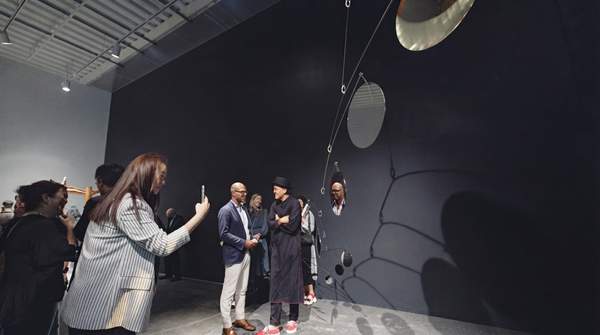
Art projects increasingly serve as interventions aimed at influencing pro-environmental behaviors. The trend reflects a societal and artistic movement leveraging creativity for environmental concerns. Many artists intend their work as a direct call to action, using immersive experiences or installations. The widespread belief in art's capacity to drive tangible environmental outcomes, however, contrasts sharply with the empirical findings on direct behavioral change.
Measuring Impact: The Empirical Landscape
A scoping review (2001-2024) identified only 8 studies assessing artistic intervention's influence on pro-environmental behaviors, according to pmc. The limited number of rigorous studies over two decades confirms empirical assessment of eco-art's behavioral impact remains an emerging field. The scarcity of robust data makes definitive conclusions about art's direct influence on actions challenging, despite its growing popularity as an environmental strategy. The critical gap in evaluation means many initiatives operate without clear evidence of their intended effect.