What Is the Evolution and Cultural Significance of Public Art?

In the devastated neighborhoods of post-Katrina New Orleans in 2005, a performance of Samuel Beckett’s Waiting for Godot became an unexpected source of community healing.

MR
Matteo Ricci

May 19, 2026 · 3 min read

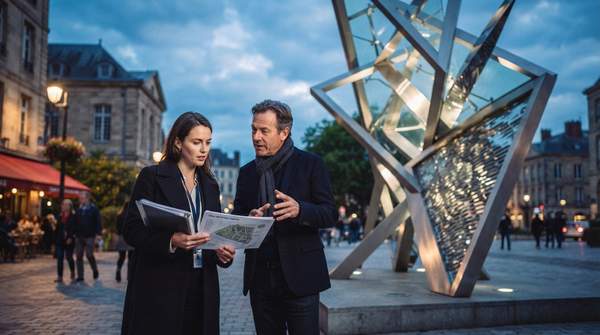
A diverse community engages with a captivating modern sculpture in a bustling city square, highlighting the social and cultural impact of public art.

In the devastated neighborhoods of post-Katrina New Orleans in 2005, a performance of Samuel Beckett’s Waiting for Godot became an unexpected source of community healing. This unconventional public art initiative brought existential drama directly to displaced residents, offering a shared space for reflection amidst profound loss, according to Arts. The play's themes of waiting and resilience resonated deeply, creating a unique communal experience.

Public art is often seen as a static aesthetic addition to urban landscapes, but it actively functions as a dynamic and potent catalyst for social change and community engagement. This perspective frequently overlooks the deliberate intent behind many public art projects.

As societal challenges grow more complex, public art will increasingly be recognized and utilized as an essential medium for civic dialogue, collective memory, and community resilience. Its capacity to provoke thought and foster connection extends far beyond mere beautification.

More Than Just Statues: Defining Public Art

The National Endowment for the Arts (NEA) funded over 700 works through its Art in Public Places program between 1967 and 1995, establishing public art as more than mere outdoor decoration, according to Arts. This data is historical. This national backing positioned public art as a tool for civic engagement, reflecting and influencing cultural values, as Smithsonianbooks notes.

The NEA's legacy, alongside contemporary issue-driven installations in New York City, confirms public art's role as a validated strategy for civic intervention. It serves as a tool for public discourse, not merely an urban amenity.

The Evolving Canvas: Contemporary Public Art in Focus

Public Art Fund projects in 2026 will feature exhibitions and new permanent installations by 35 artists. Public Art Fund projects in 2026, featuring exhibitions and new permanent installations by 35 artists, reflect contemporary artistic trends and public engagement, often emphasizing public art as an aesthetic display and a showcase for talent.

This aesthetic focus, however, contrasts with public art's proven social utility. While institutions present art as showcases, its impact often extends to community healing and addressing complex societal issues. This disconnect reveals public art's dual function: both aesthetic display and vital social tool.

Art as Activism: Addressing Society's Challenges

Public art installations, such as those in New York City, actively address complex social, political, and economic issues, reports The New York Times. It serves as a powerful platform for social commentary, prompting dialogue on critical societal concerns. Public art acts as a dynamic catalyst for social change, not merely a static urban feature.

The success of Waiting for Godot in post-Katrina New Orleans confirms public art's power to heal and foster discourse. Its strength lies in challenging, provoking, and offering shared meaning in unexpected forms, transforming passive viewing into active, communal engagement.

Understanding the Message: How to Engage with Public Art

What are the benefits of public art?

Public art fosters community identity and pride, creating shared landmarks. It also stimulates local economies by attracting tourism and enhancing urban aesthetics, encouraging pedestrian activity and business support.

How does public art impact a community?

Public art shapes civic discourse and collective memory, presenting diverse perspectives on historical events or contemporary issues. Its impact is best understood by analyzing its context: how it is commissioned, built, and received, according to Smithsonianbooks.

What are some famous examples of public art installations?

Examples include Christo and Jeanne-Claude's temporary installations like 'The Gates' in Central Park, New York, or Anish Kapoor's 'Cloud Gate' in Chicago. These works often spark widespread public discussion and become iconic symbols for their respective cities.

The Enduring Power of Art in the Public Sphere

Gabriel Orozco's exhibition, featuring 10 new site-specific images, demonstrates public art's ability to respond directly to its environment, according to Public Art Fund. Public art conveys civic values and national culture, overtly and covertly, as Smithsonianbooks notes. Its efficacy lies in blending aesthetic experience with socio-political engagement.

Public art, from site-responsive projects to shaping national identity, remains a vital medium for expressing and influencing collective values. Its dual function—subtly conveying civic values while overtly addressing complex social issues—positions it as a potent instrument for social intervention. Public art will likely continue to shape community healing and civic discourse well beyond 2026.