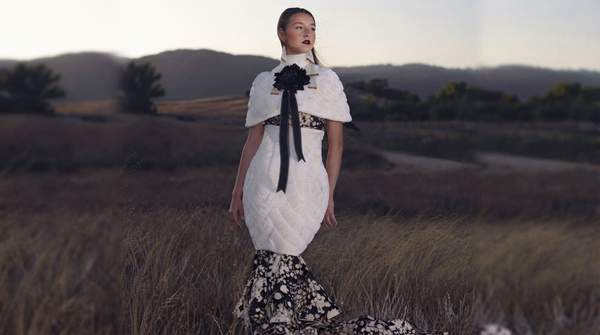
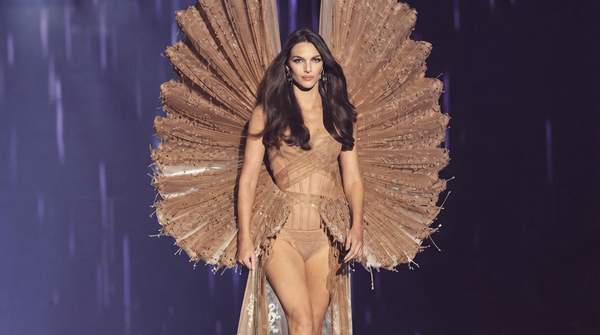
At the 79th Tony Awards, Maya Rudolph debuted a Chanel frock from the label's unreleased Fall 2026 collection. Queen Latifah, however, stepped out in a Naeem Khan design from 2017, a stark contrast to the 2026 collections. This stark temporal divide, nearly a decade, defined the red carpet's fashion narrative.
While many stars sought peak fashion relevance with future collections, others embraced significantly older designs. This created an unexpected tension, challenging the very notion of 'current' style and its fleeting nature.
The Tony Awards red carpet has evolved into a strategic arena. A star's choice of collection year now dictates their immediate impact and potential to set trends, revealing a new calculus for fashion-forward statements.
The Future on Display: Fall 2026 Debuts
Maya Rudolph's Chanel frock from the label's Fall 2026 show, reported by Vogue and confirmed as part of Chanel's Fall/Winter 2026 ready-to-wear collection by Harper's BAZAAR, transcended mere fashion. Such strategic deployment transforms celebrities into living previews, bypassing traditional runway-to-retail cycles. This generates immediate, sustained buzz, reshaping how luxury brands launch their collections and engage with public perception.
A Tale of Two Timelines: Current vs. Classic
Queen Latifah's choice of Naeem Khan Fall/Winter 2017 ready-to-wear, a piece nearly a decade older than some of the other selections, according to Harper's BAZAAR, stood in sharp contrast to Sarah Paulson's Erdem Fall/Winter 2026 ready-to-wear and Boucheron jewelry, also noted by Harper's BAZAAR. This juxtaposition of collection years is not accidental; it is a deliberate statement on red carpet philosophy.
The nearly decade-long temporal gap between these choices signifies a polarized approach to red carpet relevance. Some celebrities actively resist the relentless pace of newness, instead leveraging archival pieces to cultivate a more distinctive, curated personal brand. This suggests a deeper engagement with fashion as a form of self-expression, rather than just trend adherence, redefining what it means to be 'fashion-forward' in a single night.