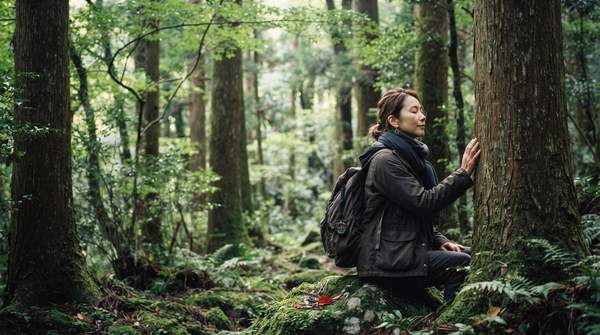
A London-based project called Dose of Nature boasts a 64% recovery rate for mental health conditions, significantly outperforming the NHS's 50%, according to The Guardian. This difference marks a substantial improvement for individuals grappling with mental health challenges, pointing to a more effective pathway to well-being through engagement with natural environments.
Ecotherapy shows strong efficacy and potential cost-effectiveness, but it remains largely outside mainstream mental healthcare and public awareness. This creates a disconnect between proven, accessible solutions and current public health policy.
As mounting evidence highlights its benefits and societal value, ecotherapy is poised for increased integration into public health strategies and personal wellness practices, despite current research gaps.
What is Ecotherapy?
Ecotherapy, often referred to as nature-based therapy, involves structured engagement with the natural world to promote mental and physical health. The Dose of Nature project, for example, prescribes time outside as a treatment for mental health, according to The Guardian. Nature, in this approach, becomes a deliberate therapeutic tool, moving beyond casual outdoor activity.
The Dose of Nature course involves an initial assessment, followed by eight weekly one-to-one sessions with a volunteer guide, and optional participation in outdoor groups, The Guardian reports. This structured engagement proves crucial for its impressive mental health outcomes. Effective ecotherapy, therefore, demands more than mere exposure; it requires a guided, therapeutic framework.
The Scientific Basis of Nature's Therapeutic Power
Robust scientific studies consistently validate ecotherapy's capacity to reduce physiological stress markers, alleviate mental health symptoms, and foster personal growth across diverse demographics. Meta-analysis findings reveal nature's stress-relieving effects, indicated by decreased cortisol levels, self-reported stress, blood pressure, and heart rate variability, according to MDPI. These physiological shifts confirm nature's direct impact on the body's stress response.