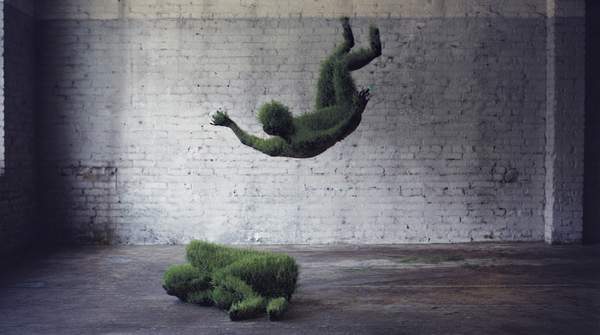
Eco-grief—the distress we feel over lost or threatened places, species and ecosystems—can be actively worked through, and creative practices are among the most accessible tools for doing it. Writing, art therapy, ancestral mourning traditions and collective action each address a different emotional need, from private reflection to shared connection to a renewed sense of agency.
Understanding Eco-Grief: A Natural Response to Environmental Loss
Ecological grief, or eco-grief, is a natural emotional response to experiencing or anticipating the loss of land, species, ecosystems and meaningful places due to environmental change. As an essay in the Edge Effects series on environmental ideas puts it, "The changes may be unprecedented, but eco-grief is a long-standing experience." Wildfires, flooding and extreme heat make the losses feel immediate; scientists and storytellers accumulate more evidence of irreversible changes each year, and dread, panic, anxiety and grief are common responses as people confront those realities.
Eco-grief is related to but distinct from eco-anxiety. Grief is anchored in loss—something already gone or clearly slipping away—while eco-anxiety centers more on worry about future threats. Climate researchers note that grief and mourning, once reserved in everyday usage for the death of a loved one, are now applied to environmental losses as well. In that sense, mourning is the process of accepting a loss, while grief is the outward expression of feeling in response to it.
The targets of this grief are concrete: a coastline eroding, a forest burning, a familiar species declining, a childhood landscape transformed. Naming the feeling matters. Coverage from the University of Calgary's Campus Mental Health Strategy describes many people becoming increasingly aware of "a form of grief or anxiety related to worries about climate change and the state of the world's environment"—and recognizing the emotion as a reasonable response, rather than a personal failing, is the first step toward processing it.
Why Art and Culture Heal: The Psychology of Creative Coping
The core psychological value of creative expression is that it externalizes feelings that are hard to put into words. As a grief art-therapy resource by clinical social worker Stacy Blankenship explains, "Art therapy is a powerful tool for healing and self-expression in times of grief," and it can help with the complexity of emotions including guilt, shame, regret and anger. When words fail to capture the depth of a loss, making something—a drawing, a poem, a memory box—gives the feeling tangible form, creating a bit of distance from which it can be examined rather than merely endured.
Art offers two distinct modes identified in that same clinical material: art as expression and art as mindfulness. The range of therapeutic activities built on these modes is wide—visual art, journaling and writing, symbolism and metaphor, memory boxes or altars, grief mandalas, group art activities, therapeutic rituals, resilience-building activities, and dance, drama and music therapy. Because grief manifests differently in each person, this variety allows a personal and unique approach rather than a single prescribed method.
Community matters just as much as individual expression. Research on climate grief published in Ecology and Society argues for investment in spaces that facilitate emotional processing and teach coping practices, in order to destigmatize and socialize the reasonable distress people feel as they comprehend climate change. The risk of isolation is real: coping alone can leave feelings unvalidated and grief unprocessed. Shared creative rituals—group art, collective mourning practices—do the opposite, turning private pain into something witnessed and held by others.
Cultural traditions deepen this. The Edge Effects essay by Christina Guevara and Rae Jing Han explores learning from ancestral grieving practices to navigate eco-grief—cultural frameworks for collective mourning that connect the mourner to heritage and to a lineage of people who have faced loss before. Grief over land and species, in that view, is not a novel pathology but an old human experience with old human tools.