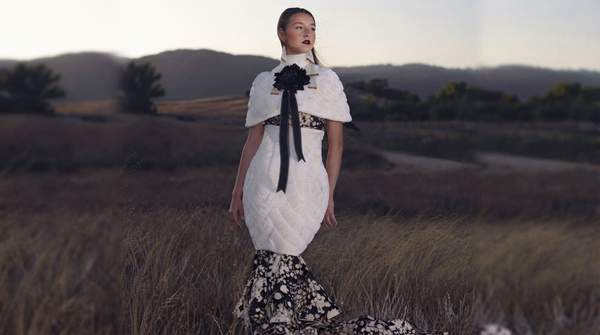
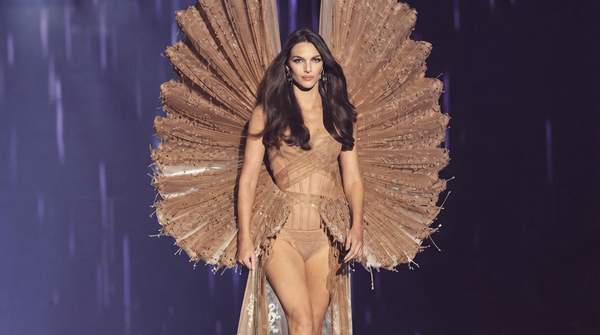
Designers like Virgil Abloh and Demna Gvasalia redefined luxury, treating sneakers as art and hoodies as couture, according to bespokeaistylist. This move profoundly shifted cultural norms, extending comfort-first fashion's impact beyond casual wear into exclusive collections. It dismantled traditional sartorial hierarchies, making high fashion more accessible.
Fashion once demanded physical discomfort as a prerequisite for elegance, often sacrificing wearability for aesthetic appeal. However, a global re-evaluation now prioritizes physical ease, positioning comfort as the ultimate luxury. This tension between historical expectations and contemporary desires shapes the current fashion dialogue.
The future of style appears increasingly personalized and comfort-driven, making traditional, restrictive fashion feel obsolete and less relevant.
Defining Comfort-First Fashion
Comfort-first fashion prioritizes physical ease, allowing visual elegance to follow naturally, according to Fabriclore. This approach ensures garments both look and feel good, aligning style with personal well-being. It departs from historical norms, where restrictive silhouettes often dominated.
This evolving trend ushers in inclusive, user-friendly styles, states Glory of the Snow. Designs now accommodate diverse body types and lifestyles, moving beyond impractical aesthetics. Elegance is redefined, placing personal well-being and accessibility at the forefront of modern style, reflecting a broader cultural movement towards authenticity.
How Lockdowns Cemented Comfort as the New Normal
Global lockdowns in 2020 cemented comfort dressing as a permanent aspect of daily life, blurring lines between work, leisure, and rest, reports bespokeaistylist. This extended period of working and socializing from home fostered a new appreciation for adaptable clothing. Garments that seamlessly transition between personal and professional activities became a practical necessity.
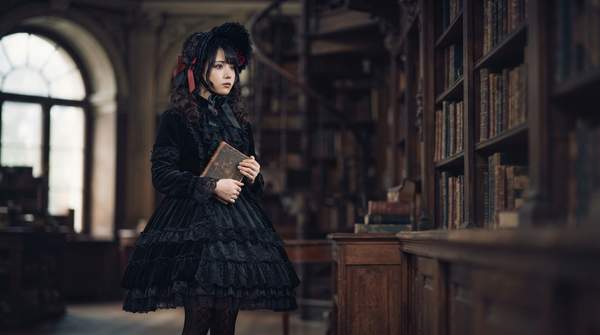
The prolonged period of dressing for oneself during these lockdowns led to a psychological shift, making structured discomfort feel absurd. It highlighted the luxury of feeling good in one’s clothes, also from bespokeaistylist. Consumers fundamentally re-evaluated 'luxury' and 'style.' True elegance now resides in ease and personal expression, not in rigid, uncomfortable fashion norms. Brands clinging to traditional elegance-through-discomfort fundamentally misread the modern consumer's redefinition of luxury; this shift is deeply ingrained.
From Streetwear to Couture: When Comfort Became Chic
Designers like Abloh and Gvasalia elevated 'sneakers as art and hoodies as couture,' as high fashion actively incorporated comfort-first principles. This strategic pivot reflects consumer demand for practicality, even in high fashion. The elevation of these items shows high fashion is not just adapting to comfort but actively co-opting and legitimizing it, dismantling sartorial elitism.
Balcony Garment, a Ukrainian brand, exemplifies this integration, offering comfortable and stylish pieces, according to Inna Bose. Such brands prove elegance and ease can coexist, offering visually appealing, genuinely wearable collections. High fashion's embrace of comfort validates this new aesthetic, solidifying its mainstream place and influencing global luxury perception.
Beyond Aesthetics: The Practicality of a Wearable Wardrobe
Many individuals face the 'nothing to wear' fashion trap, often caused by a closet full of clothes they don't feel like wearing, as noted by Inna Bose. This dilemma stems from a profound psychological rejection of uncomfortable or impractical attire, not a lack of garments. Consumers increasingly prioritize personal well-being over outdated aesthetic sacrifices, leading to wardrobe frustration when clothing fails to meet these new standards. Embracing comfort-first principles resolves these frustrations, ensuring clothes are not just beautiful but genuinely useful. This fosters a more functional and enjoyable relationship with one's personal style, where every item serves a purpose and promotes ease.
Why This Shift Matters for Your Closet and Beyond
The enduring shift towards comfort empowers individuals to build more authentic, functional, and enjoyable wardrobes that reflect modern living. It encourages mindful consumption, guiding choices by genuine comfort and personal expression, not fleeting trends or societal pressures. This perspective fosters a deeper connection between clothing and self, enhancing daily life.
This redefinition of luxury around ease and personal expression has broader implications for how we view fashion. It challenges the notion that style demands physical cost, promoting an inclusive vision where comfort is a fundamental component of sophistication, not a compromise. Athleisure's influence on modern fashion further exemplifies this, integrating athletic wear elements into everyday attire for enhanced flexibility and comfort.
Your Comfort-First Fashion Questions, Answered
How has comfort fashion changed style trends?
Comfort fashion has spurred a move towards looser silhouettes, softer fabrics, and versatile pieces that can be dressed up or down. This includes the widespread adoption of oversized blazers, wide-leg trousers, and elevated loungewear. It has also influenced footwear, with stylish sneakers and flats gaining prominence in formal settings.
What is the influence of athleisure on modern fashion?
Athleisure has significantly influenced modern fashion by blurring the lines between athletic wear and everyday clothing. It has normalized wearing leggings, hoodies, and stylish sneakers outside of the gym, introducing technical fabrics and functional designs into mainstream fashion. This trend emphasizes both performance and comfort, making clothes more adaptable to various activities.
Is comfort-first fashion a lasting trend?
Comfort-first fashion appears a lasting trend, driven by a fundamental psychological shift in consumer values. Prolonged comfort has reset expectations, making structured discomfort feel anachronistic. Consumers now prioritize well-being and practicality, suggesting this preference will endure beyond 2026.
The Future is Comfortable: A New Era of Style
Comfort-first fashion represents a fundamental evolution in how we perceive and interact with our clothing, moving beyond temporary fads. It promises a more inclusive, personal, and sustainable approach to dressing, prioritizing individual well-being over outdated sartorial rules. This redefinition of luxury, centering on ease and personal expression, continues to reshape the industry. By 2026, brands prioritizing innovative, comfortable yet elegant designs, much like bespokeaistylist, will likely dominate the market, solidifying comfort as a core pillar of modern style.