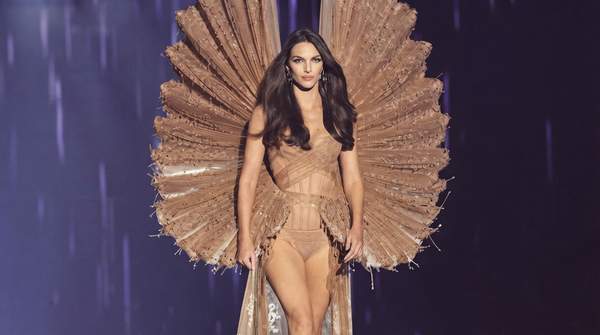
For roughly two decades, the Victoria's Secret Fashion Show sold one very specific vision of womanhood: tanned skin, bombshell waves, and impossibly thin bodies framed by feathered wings. That singular ideal made the brand a cultural institution—and then, by its own executives' accounting, made it a liability. The show was canceled in 2019 amid declining viewership and criticism of its marketing, and when it returned, it returned with a visibly different cast and a different beauty language. Understanding what changed, and why, requires looking at both the runway looks and the commercial pressures behind them.
Setting the Stage: The Enduring Legacy of the Victoria's Secret Fashion Show
The show's history stretches back to 1995, when the runway looks were notably softer—Veronica Webb wore a nude lip and natural hair, and Beverly Peele walked in her signature pixie cut, as Harper's BAZAAR's retrospective of the show's hair and makeup documents. But by the early 2000s the brand had crystallized its signature: Gisele Bündchen's soft, bouncy blowout and ultra-tan skin became, in that same retrospective's words, the look of an "iconic Angel." What followed was a long reign in which the show's beauty standard became one of the most recognizable—and most contested—in fashion.
The Reign of the 'Angel': Defining the Classic Victoria's Secret Beauty Ideal
The classic Angel aesthetic was deliberately uniform. The formula centered on voluminous bombshell waves, a golden glow, tan skin, and glossy nude or baby-pink lips, applied consistently across the cast to produce a cohesive brand image. The body ideal underneath that hair and makeup was equally narrow. Writing in Teen Vogue, Alyssa Hardy described the effect of watching the show as a child: "seeing thin bodies, bombshell hair, and impossibly beautiful women held up as the standard of fashion and womanhood nestled into my psyche (and that of millions of other young people) for decades."
That consistency was the point. The look wasn't a range of beauty expressions; it was a single aspirational template, repeated model after model, year after year. It worked commercially for a long time, but it also trained audiences to read one very specific physique and styling as the ceiling of glamour.
Cultural Currents and Commercial Pressures: Why the 'Angel' Ideal Shifted
The shift away from that ideal was driven by both cultural criticism and hard business numbers. A retail analyst quoted in the show's Wikipedia history described the company's marketing as encouraging women to objectify themselves to "impress men." Meanwhile, the brand faced increasing competition and changing perceptions of its marketing. On November 21, 2019, L Brands CFO Stuart Burgdoerfer confirmed the cancellation of that year's show, citing declining viewership and its lack of immediate "material impact" on sales, while acknowledging the company was still "figuring out how to advance the positioning of the brand and best communicate that to customers."
In other words, the Angel ideal didn't fade because tastes drifted; it was retired because it stopped selling and started costing the brand its relevance. Teen Vogue's Hardy also notes the brand had to push through roughly seven years of bad publicity before landing "softly back in the zeitgeist."
From Angels to Advocates: Victoria's Secret's Pivot to Inclusivity
When the show returned, the casting changed in ways that directly answered earlier criticism. The last two shows have included trans women—notably Alex Consani and Valentina Sampaio—a marked change from the standards set by former chief marketing officer Ed Razek, as Hardy reports. She also notes, citing Vogue Business, that in the broader industry only 0.9% of spring-summer 2026 runways featured plus-size models, which places the VS show comparatively high for size diversity, even though the vast majority of its models were still straight size and cisgender.
Social listening analysis of the 2025 show by the Loxias Team framed the shift as moving "from Angels to Advocates": a brand once defined by aspirational beauty now judged, in their reading, less by the runway itself than by its story—one merging fashion, identity, and purpose. Their analysis also flags the fragility of that positioning: credibility suffers when inclusivity is perceived as performative.
Victoria's Secret Beauty: Classic 'Angel' vs. Modern Inclusivity
The table below juxtaposes the two eras across the dimensions where the change is most visible, drawing on backstage reporting, the brand's own styling guidance, and cultural commentary.
| Dimension | Classic Angel Era (pre-2019) | Modern Inclusive Era (post-2024) |
|---|---|---|
| Aesthetic Goal | A singular, aspirational "bombshell" ideal, widely recognized and central to the brand's peak popularity. | A broader spectrum of beauty emphasizing individuality and diverse representation, aiming to align with contemporary values and regain consumer trust. |
| Key Hair & Makeup Features | Signature voluminous bombshell waves, golden glow, ultra-tan skin, nude or baby-pink lips—applied consistently across models for a cohesive image. | A sleeker version of the blowout, natural-looking skin, and a celebration of natural textures and curls—glamorous but less uniform. |
| Body Ideal | Thin bodies held up as the standard of fashion and womanhood. | A wider range of body types and diverse models, a direct response to past criticism of body image and representation. |
| Reflected Cultural Value | Narrow aspirational glamour and sex appeal, criticized as encouraging women to objectify themselves. | Inclusivity, empowerment, and authenticity—though the brand's sincerity remains a point of public discourse. |
Two backstage details show how the hair language itself evolved rather than disappeared. The brand's own 2025 tutorial, credited to show head of hair Jawara, walks readers through the bombshell blowout—thickening spray, rollers, backcombing, dry texture spray—confirming the waves are still the house signature. But Who What Wear's coverage of the 2025 show noted the "big, sexy blowouts" returned "just with a modern 2025 edge," after the previous year's slicked-back styles had disappointed fans. For 2026, the backstage aesthetic described to Harper's BAZAAR was "the mega blowout combined with a celebration of natural textures and curls. A modern take, luxury without limitation."
The Modern Victoria's Secret Aesthetic: A New Vision of Beauty
The current look is best understood as an edit rather than a rejection. The bombshell blowout survives—now sleeker, with natural textures and curls celebrated alongside it—but it sits on a cast that includes trans models and more size diversity than the industry norm, even if most models remain straight size and cisgender. Makeup lead Dame Pat McGrath's stated goal of an "ethereal, otherworldly glow" keeps the glamour vocabulary intact while the bodies wearing it diversify. Hardy's own verdict captures the tension: in 2025, she argues, it "shouldn't be commendable to have a diverse cast of people representing your brand; it should be the standard."
Navigating the New Era: What Victoria's Secret's Evolution Means for Beauty Standards
Readers should recognize that Victoria's Secret's aesthetic evolution reflects a broader societal shift toward valuing diverse representation and authenticity over a singular, narrow beauty ideal—but the shift was driven as much by declining viewership and public criticism as by values, and the perception of its sincerity is still contested. The concrete measure to watch is continued brand messaging and runway presentations that consistently feature a wide range of body types, ethnicities, and individual beauty expressions, alongside sustained positive public sentiment—since whether this new narrative holds is precisely what remains under scrutiny.
Sources
- Victoria's Secret Fashion Show - Wikipedia — EN
- How the Victoria’s Secret Angel Beauty Has Changed Over the Years — Harper's BAZAAR
- This Victoria's Secret Fashion Show Moved the Brand Forward — Is That the Progress We Want? — Teen Vogue
- Loxias | Victoria’s Secret Fashion Show 2025: How Inclusivity, Digital Influence, and Fandoms Redefined the Runway — Loxias AI
- DIY: The Victoria's Secret Fashion Show Bombshell Blowout — VS Now
- The Victoria’s Secret Fashion Show Brought Back the Bombshell Blowouts—With a Sleek 2025 Upgrade — Who What Wear
- All the Backstage Beauty Details You Missed From the 2026 Victoria’s Secret Fashion Show — Harper's BAZAAR