As I reflect on the ever-shifting soundscape, I find myself drawn to the intricate tapestries woven by artists across generations. From the ambitious sonic architecture of Queen's 'Bohemian Rhapsody', which defied simple categorization, to the vibrant global phenomenon of K-pop, music genres are consistently being redefined by unexpected cultural blends. This ongoing transformation reveals a profound human impulse to synthesize sounds, rhythms, and narratives, illustrating precisely how cultural exchange shaped music genres evolution in 2026, creating something entirely new and resonant for audiences worldwide.
Yet, this digital age presents a compelling tension that cannot be ignored. While online platforms offer unparalleled opportunities for musical fusion and expansive global cultural exchange, their rapid, often instantaneous, dissemination also heightens the inherent risk of cultural appropriation. We celebrate the boundless creativity and the rich diversity that emerges from these interactions, but we must also confront the ethical complexities that arise when influences cross borders at lightning speed, sometimes blurring the lines of origin and ownership.
As global connectivity deepens and our world becomes increasingly interconnected, music will undoubtedly continue to evolve into even more complex and hybridized forms. This constant evolution challenges traditional genre definitions and, critically, demands greater awareness and respect for cultural ownership. This journey, I believe, is central to understanding not only our shared cultural experience but also the responsibilities that come with such profound artistic freedom.
Musical genre fusion, at its heart, involves the deliberate blending of distinct musical traditions or stylistic elements to forge a novel sound. Historically, this intricate process unfolded organically over many decades, often through the slow diffusion of cultures via migration, trade routes, or colonial encounters. Consider the origins of jazz, for example, born from a rich synthesis of West African rhythms, European harmonies, and American brass band traditions, evolving over generations in specific geographic hubs. However, the advent of digital platforms has drastically accelerated this entire process, transforming it into a constant, real-time evolution rather than an occasional artistic experiment confined to specific regions.
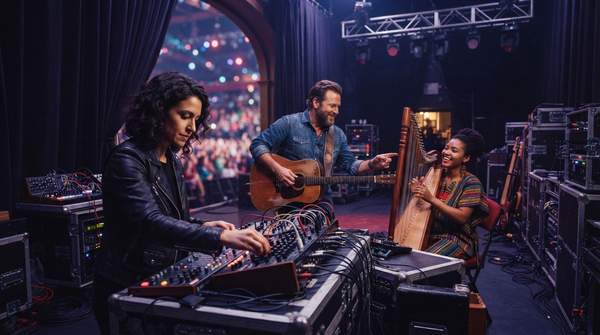
Today, artists can access an astonishing array of sounds from virtually any corner of the world with just a few clicks, instantly integrating them into their creative work. Streaming services and social media have effectively collapsed geographical barriers, creating a truly globalized soundscape where influences are exchanged almost instantaneously. This rapid cultural exchange, meticulously facilitated by modern technology, not only enriches individual musical experiences but also significantly contributes to the rapid formation of entirely new musical preferences and tastes across diverse demographics, according to Nature.
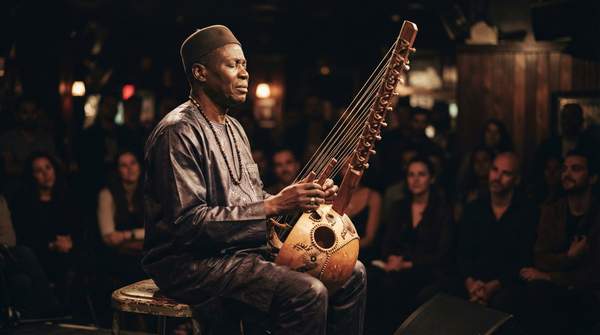
This unprecedented speed of musical cross-pollination means traditional genre boundaries are dissolving at a pace never before witnessed. It creates a fascinating, sometimes disorienting, journey into uncharted sonic territory, where the very definitions of what constitutes a "genre" are constantly being rewritten and expanded.
The Digital Crucible: Where Genres Fuse and Cultures Collide
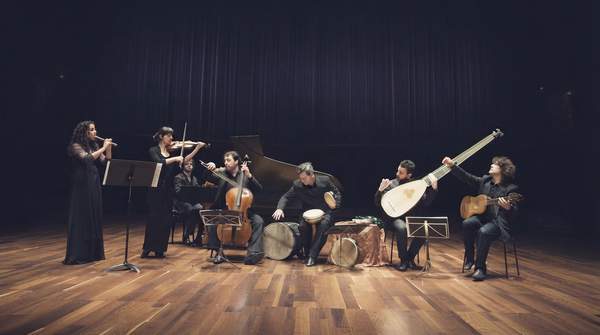
The digital age acts as a powerful accelerant for musical hybridization, serving as a vast, interconnected laboratory for sound. Consider the innovative blend offered by Afro Celt Sound System, which distinctively fuses Irish traditional, West African traditional, and electronic dance music, as noted by BBC. This group masterfully exemplifies how disparate traditional sounds can converge with modern electronic elements, creating a sound that is both deeply ancient in its roots and vibrantly forward-looking in its execution. Such fusions are no longer confined to niche experiments; digital platforms actively pull obscure or regional cultural sounds into the global mainstream, accelerating their evolution and exposure to a vast new audience.
Social media platforms and streaming services like Spotify facilitate vast knowledge exchange and open communication channels among musicians and listeners worldwide. This continuous flow of creative ideas and sonic inspiration not only enriches individual musical experiences but also significantly contributes to the rapid formation of new musical preferences, as outlined by Nature. However, this same global dissemination of music, while leading to a profound cross-pollination and synthesis of different genres, also carries inherent risks of cultural appropriation, Nature explicitly warns. This dual nature presents a complex ethical challenge.
The 'Korean wave' or K-pop, for instance, stands as a uniquely powerful instrument for cultural diplomacy on a global scale. It generates significant profits and simultaneously enhances a nation's international authority and influence, Nature also highlights. The 'Korean wave' or K-pop demonstrates how popular culture can transcend mere entertainment, becoming a sophisticated geopolitical tool intricately linked to national soft power and substantial economic gain. Yet, the very mechanisms driving K-pop's immense global reach, and thus its success in cultural diplomacy, inherently carry the unaddressed ethical baggage of potential appropriation, suggesting a fundamental conflict between rapid global cultural exchange and the imperative for respectful attribution.
The confluence of artistic innovation, pervasive digital connectivity, and accelerating global cultural exchange is propelling music into an era of unprecedented fusion. This dynamic process simultaneously creates exciting new artistic frontiers and navigates complex ethical landscapes. It's a testament to humanity's endless creativity and adaptability, but also a resonant call for increased vigilance and thoughtful engagement regarding cultural ownership in a rapidly shrinking world.
Beyond its profound artistic implications, the 'Korean wave' phenomenon powerfully demonstrates how popular culture, particularly music, can serve as an exceptionally effective instrument for cultural diplomacy. My observations suggest that nations strategically leveraging digital platforms for cultural export are not merely sharing artistic expressions; they are actively building considerable soft power and generating significant economic returns. This strategic approach elevates music from its traditional role as mere entertainment to a potent diplomatic asset, enhancing a nation's international standing and influence on the global stage.
This strategic application of music marks a clear win for artists and entire cultures that enthusiastically embrace fusion. By skillfully integrating diverse musical elements, they create compelling sounds with universal appeal, reaching wider audiences and fostering deeper cross-cultural understanding. For nations, the ability to project cultural influence globally through their musical output directly translates into enhanced international authority and tangible economic gain, transforming creative endeavors into a valuable national resource.
The commercial success and diplomatic power achieved by phenomena like K-pop are directly fueled by the rapid, borderless musical exchange enabled by digital platforms. This dynamic process transforms genre fusion into a strategic national asset, fundamentally redefining the role of music in contemporary global affairs and highlighting its often-underestimated geopolitical significance.
While the fusion trend offers exciting and expansive possibilities for artistic expression, it simultaneously presents significant challenges. These challenges are particularly acute for traditionalists who may be resistant to rapid change, and for source cultures that become vulnerable to appropriation without proper recognition or equitable benefit. The dissolving of traditional genre boundaries, dramatically accelerated by digital platforms, can understandably feel like a profound loss to those who cherish the purity and historical integrity of established musical forms.
The inherent 'risks of cultural appropriation' explicitly noted by Nature, when thoughtfully juxtaposed with the rapid genre fusion facilitated by ubiquitous social media and streaming services, suggest a troubling truth: the music industry appears to be prioritizing the sheer speed of innovation and expansive global reach over the complex ethical considerations of cultural ownership and respectful attribution. This imbalance can lead to situations where distinctive cultural elements are extracted, recontextualized, and commercialized without adequate acknowledgment or genuine benefit flowing back to their originators, raising serious questions about equity and respect.
This pervasive tension highlights an unavoidable trade-off between boundless artistic innovation and the crucial need for ethical attribution. As I see it, the very mechanisms that allow for enriching musical experiences and the rapid formation of new musical preferences via digital platforms are precisely the ones that amplify the risks of cultural appropriation. This creates a fundamental dilemma that artists, producers, and the entire music industry must navigate with far greater care and consciousness, seeking solutions that honor both creativity and cultural heritage.
What are examples of fusion music genres?
Beyond the Afro Celt Sound System, other notable fusion genres include Latin jazz, which blendslends jazz harmonies with Latin American rhythms, and worldbeat, a broad category that mixes Western pop or rock with traditional folk music from various cultures. These genres showcase how different cultural sounds can combine to create distinct new musical identities, often evolving over time.
How does globalization affect music genres?
Globalization, driven by digital platforms and increased travel, drastically accelerates the evolution of music genres by exposing artists and audiences to a wider array of sounds than ever before. This leads to faster cross-pollination and the emergence of hybrid forms, but also challenges traditional genre definitions as influences become increasingly intertwined. For instance, the rise of global streaming services means a listener in Berlin might discover a new genre from Bogotá on the same day it's released.
How do different cultures influence music?
Different cultures influence music through the introduction of unique instruments, rhythmic patterns, melodic structures, vocal techniques, and lyrical themes. For example, the sitar from India has been incorporated into Western rock music, and West African polyrhythms have profoundly shaped various forms of popular music worldwide. This exchange enriches the global musical tapestry, offering new expressive possibilities.
The accelerating pace of musical genre fusion, relentlessly propelled by omnipresent digital platforms, is undeniably shaping the global cultural experience in 2026. While it fosters incredible creativity and acts as a powerful tool for cultural diplomacy, it simultaneously demands a more rigorous ethical framework for attribution and ownership. The inherent tension between unrestrained innovation and the imperative for respectful appropriation will continue to define the music industry's trajectory for years to come.
Ultimately, the future of music hinges on how streaming giants like Spotify and Apple Music, alongside independent artists and cultural organizations, collectively navigate this complex and often contentious terrain. By the close of 2026, I anticipate major platforms will face increased pressure to implement clearer guidelines and develop more robust tools for crediting diverse cultural influences. This concerted effort is essential for fostering a more equitable, respectful, and truly global soundscape that celebrates originators as much as innovators.