Audience Engagement: Physical vs. Digital Art Experiences

Artworks viewed in the hushed halls of a museum are often rated as more pleasant and evoke longer viewing times than the same pieces seen on a computer screen, which are frequently deemed less interes

MR
Matteo Ricci

June 6, 2026 · 4 min read

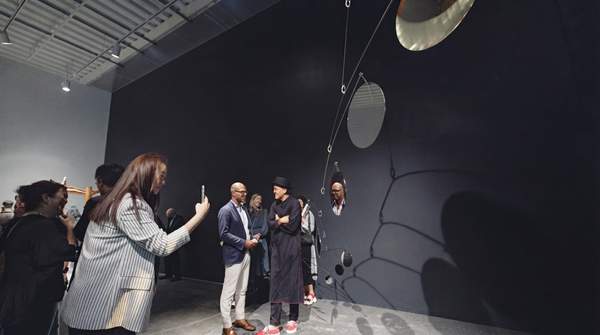
A comparative visual depicting the difference in audience engagement between viewing art in a physical museum setting versus on a digital screen.

Artworks viewed in the hushed halls of a museum are often rated as more pleasant and evoke longer viewing times than the same pieces seen on a computer screen, which are frequently deemed less interesting or memorable, according to Nature. The qualitative difference between physical and digital viewing suggests the physical encounter offers a depth of engagement digital reproductions struggle to match, influencing how audiences connect with visual arts.

While digital platforms offer unprecedented reach and accessibility for art, the profound aesthetic and emotional impact of viewing art in a physical museum remains superior for many. The superior aesthetic and emotional impact of physical viewing, combined with the unprecedented reach of digital platforms, creates a tension for institutions seeking to maximize both broad access and deep, meaningful engagement.

Museums that fail to understand and strategically navigate the distinct psychological impacts of physical versus digital viewing experiences risk alienating potential audiences or diluting the very essence of art appreciation.

The sensory experience of walking through a gallery, absorbing an artwork's scale, texture, and the subtle interplay of light, differs significantly from scrolling digital images. Museum viewers consistently report artworks as more pleasant, dedicating extended contemplation. The same masterpieces on a screen often register as less arousing or memorable. This physical context, including shared space with other observers, fosters a unique emotional resonance, a direct dialogue between viewer and artwork. The medium profoundly shapes not just access, but the very nature of aesthetic appreciation.

What is 'Audience Engagement' in the Museum World?

Contemporary museum practice defines "audience engagement" as a shift from passive observation to active visitor participation, according to Museum-id. The shift from passive observation to active visitor participation reorients the museum's mission, moving beyond mere preservation to foster deeper interactions with collections and narratives. It means designing exhibitions, programs, and digital content that invite interaction, dialogue, and personal connection, transforming a visit into an immersive learning journey where visitors feel ownership. The implication is that museums must now actively curate experiences, not just objects, to remain relevant in a competitive cultural landscape.


The Subtle Power of Context: Why Where You See Art Matters

The physical environment profoundly shapes how art is perceived and valued. Context actively influences the aesthetic experience through "top-down modulation," as detailed in Nature research. A museum's architectural design, the curation of adjacent pieces, and ambient lighting are not mere backdrops; they subtly guide a visitor's interpretation and emotional response. The scale of a sculpture, for instance, is perceived differently in a vast gallery versus a confined digital window. This intricate interplay creates a unique aesthetic pleasure digital platforms struggle to replicate, suggesting that the museum building itself is an integral part of the artistic presentation.

Expanding Horizons: Digital's Role in Museum Accessibility

Digital strategies significantly expand museum reach, overcoming traditional barriers of geography, time, and cost. According to Nature, digital curation democratizes art access, allowing institutions to serve a global audience far beyond physical walls through virtual tours, high-resolution image databases, and online educational resources. These tools foster initial interest and cognitive engagement, introducing art to new audiences. However, these platforms consistently fall short on delivering the deep aesthetic pleasure and memorability found in physical viewing, highlighting a fundamental limitation in purely digital art consumption.

Can Digital Art Experiences Be Truly Engaging?

While digital platforms excel at cognitive engagement and broad accessibility, they struggle to replicate the profound aesthetic and emotional impact of physical art viewing. The interactive installations, guided tours, and thoughtful spatial design that define successful physical exhibitions—strategies crucial for evoking emotional responses and intellectual curiosity—are inherently difficult to translate digitally. Digital experiences can educate and inform, but the immersive, sensory richness that makes art truly "engaging" in a museum context remains largely elusive online.

The Future of Engagement: Blending Worlds

The tension between digital accessibility and profound physical aesthetic impact demands a nuanced approach. Museums aggressively pursuing digital-first strategies risk inadvertently devaluing the art they preserve, as the aesthetic experience demonstrably diminishes outside its physical context, according to Nature's findings. Institutions must resist mere digitization; instead, they should strategically leverage digital tools to drive visitors to the irreplaceable physical experience. Companies investing in digital art experiences without understanding the critical role of physical context are building platforms that may educate but ultimately fail to move audiences profoundly, suggesting a need for a paradigm shift in digital art strategy.

The most successful museums of the future will master the integration of distinct physical and digital experiences, each optimized for its unique strengths. For instance, by late 2026, the Louvre Museum could launch enhanced virtual reality tours that offer preparatory learning, directly encouraging physical visits by highlighting specific works that demand an in-person encounter for their full impact.