All Stories
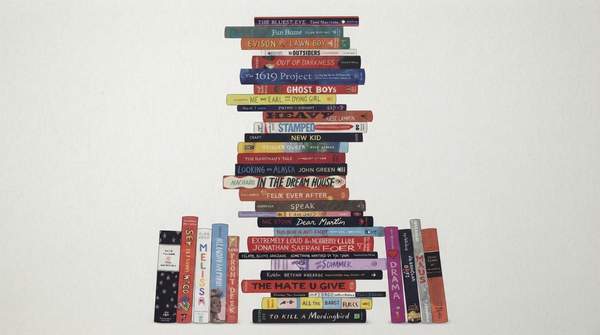
Four Reasons Books Get Banned: From Puritan Heresy to Identity Politics
Book bans in the US are driven by four recurring motivations: political/religious dissent, obscenity/morality, scientific/ideological conflict, and race/identity. While targets have evolved dramatically since 1637, the underlying impulse to control access to knowledge persists.

From Tape Loops to Lawsuits: How Sampling Technology and Copyright Law Shaped Each Other
Music sampling's evolution, from early tape loops to digital hip-hop, was shaped by technological leaps and subsequent copyright law battles. Today, producers must strategically choose between direct sampling, interpolation, or sound-alike creation, balancing creative freedom with legal and financial complexities.

Two Ways to Specialize: How Niche Bookstores Turn Curation Into Community
Independent bookstores build community by specializing in niches, whether by genre or publisher type. This curation shapes distinct programming and customer engagement, as seen in models like The Ripped Bodice and White Whale Bookstore.
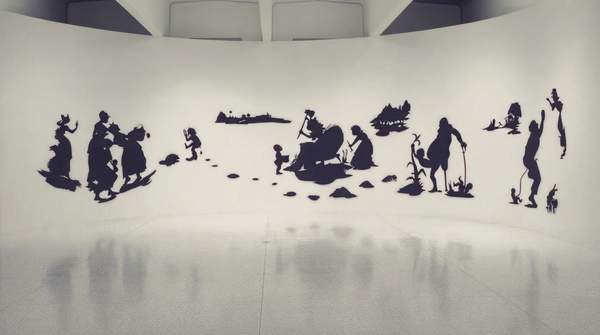
From Vandalism to Voice: How Street Art Came to Shape Urban Cultural Identity
Street art has evolved from unsanctioned graffiti to a vital force in shaping urban cultural identity, serving diverse roles from political resistance and community reclamation to urban revitalization and tourism, with its meaning heavily dependent on local history and context.
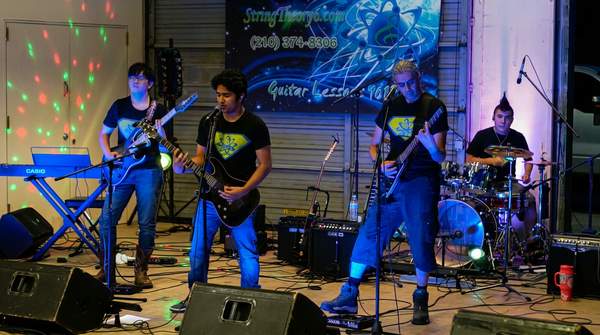
5 Music Lesson Red Flags Parents Miss (and How StringTheory6 Dodges Them)
Choosing the right music lessons in San Antonio can feel overwhelming for any parent. You want an instructor who inspires passion and builds real skill, but it's easy to overlook subtle warning signs. Making one of the c…

From Memoir to Medical Manual: How to Choose the Right Book About Electroconvulsive Therapy
This article guides readers in choosing books about Electroconvulsive Therapy (ECT) by comparing patient memoirs, historical accounts, and clinical guides. It helps match readers with the best reading choice based on their interest in personal experience, historical context, or current medical practice.

Curated vs. Open: How to Choose an Online Art Marketplace Without Overpaying in Commissions
Emerging artists must choose between open online art marketplaces with low fees and high self-promotion, or curated platforms with higher commissions but more support. The optimal choice depends on an artist's career stage, willingness to promote, and desired level of platform assistance.

What Is Intangible Cultural Heritage? UNESCO's Definition and Its Five Living Domains
Intangible cultural heritage, as defined by UNESCO, includes living traditions, practices, and expressions inherited and passed down through generations, recognized by communities as part of their identity. The article details its distinction from tangible heritage and outlines UNESCO's five key domains for its safeguarding.

Digital Storytelling in the Diaspora: A Toolbox for Both Saving Heritage and Reinventing It
Diaspora communities leverage digital storytelling for a dual purpose: preserving fading historical and cultural narratives while actively reshaping their identities in new contexts. This process involves a spectrum of digital approaches, from archiving to ephemeral social media, each balancing heritage preservation with cultural evolution.

Horror Comedy Gets Its Own Film Festival at Anna Manis’s the Muses
The creator economy is rapidly evolving, giving rise to specialized genres and the need for production spaces that understand them. For independent filmmakers in niches like horror comedy, finding the right support syste…

Tuscarora Presenters Tell Craven Community College Audience Their Culture Is Thriving, Not Just Historical
Tuscarora presenters at Craven Community College shared songs, dances, and stories, emphasizing that their culture is a living, thriving entity in their original homelands, not merely a historical relic. The event highlighted the continuity of Tuscarora traditions and their contemporary vitality.

Algorithmic Composition and the End of the Lone Musical Genius
Algorithmic composition challenges the traditional notion of a lone musical genius, proposing a "distributed authorship" model where creativity is shared among human designers, algorithms, and training data. This conceptual shift re-evaluates how we understand and discuss music created through human-machine interaction.

From Author Interviews to Textual Deep Dives: Which Literary Podcast Fits Your Critical Appetite?
Discover literary podcasts by categorizing them into author-centric interviews, text-driven deep dives, and industry commentary. This guide helps you choose shows based on whether you prefer hearing from authors or engaging with critical analysis of texts.

Why Physical Media Is Coming Back: Ownership, Control, and the Streaming Backlash
Physical media is experiencing a revival as consumers seek true ownership and control, reacting against the instability and ephemerality of streaming services where content can disappear or be altered.

Calmi Bracelet - The Radiance Makes a Single Center Link the Main Attraction
The Calmi Radiance bracelet features a unique design that concentrates its sparkle in a single, multi-row pavé set link of cubic zirconia, framed by polished gold-plated links. This creates an attractive contrast between intricate detail and understated elegance, making the center link the main attraction.

Ephemeral Art and the Market It Refuses to Serve
Ephemeral art, intentionally designed to disappear, presents a fundamental challenge to the traditional art market's values of permanence, ownership, and investment. Its resistance to commodification and focus on experience over objecthood redefines artistic value.

How TransCRNN Combines Spectrograms and Acoustic Features to Classify Music — and What the Numbers Show
TransCRNN, a novel multimodal neural network, classifies music genres by effectively fusing Mel-spectrograms with handcrafted acoustic features. This combined approach significantly boosts accuracy, demonstrating the power of multimodal data fusion in music information retrieval.

Three Ethical Fault Lines in AI Music: Ownership, Labor, and Authenticity
Generative AI in music presents three core ethical conflicts: ownership and copyright of AI-generated works and training data, the impact on artist labor and fair compensation, and the philosophical questions of creative authenticity and artistic value. Navigating these tensions requires dialogue and new frameworks as technology outpaces existing legal and ethical structures.

Conceptual Art Explained: When the Idea Becomes the Artwork
Conceptual art, a movement from the 1960s, emphasizes the idea or concept behind a work over its physical execution or aesthetic appearance. This approach challenges traditional art values and highlights the importance of context and interpretation.

Is a Thirst Missions Trip to Appalachia Worth It for Your Church Group?
Thirst Missions aims to solve the logistical nightmares of planning church mission trips by offering all-inclusive packages. This article evaluates whether their trips, particularly to Appalachia, are a worthwhile investment for church groups seeking to focus solely on ministry.

Three Ways Contemporary Artists Are Redefining Portraiture: Staging, Symbolic Materials, and Cultural Fusion
Contemporary artists are redefining portraiture by moving beyond physical likeness, employing conceptual staging, material symbolism, and cultural fusion to explore identity, memory, and representation. These strategies shift the focus from faithful depiction to the artist's conceptual intent and cultural context.

Hotel Technology 2027: When Automation Makes Human Service the Luxury
In 2027, hotel technology focuses on a hybrid model where AI and automation handle routine tasks, making direct human interaction a luxury. This shift allows hotel staff to concentrate on high-touch, empathetic service, enhancing the guest experience.

Après Style: How China Turned Après-Ski Into a Desk-to-Bar Uniform
Après Style is a Chinese fashion trend that adapts French après-ski aesthetics for urban professionals, blending sportswear, office wear, and gorpcore into versatile outfits suitable for both work and social settings. It emphasizes comfort, professionalism, and seamless transitions between different parts of the day, reflecting a desire for work-life integration.

Zen, Vipassana, and MBSR: Three Meditation Traditions, Three Different Purposes
Explore the distinct origins, techniques, and purposes of Zen, Vipassana, and MBSR meditation practices. Understand how each tradition serves different goals, from spiritual liberation to stress reduction, to choose the right path for you.