Far from a niche trend, 'slow living' is now recognized by researchers as a pivotal force shaping the 21st century's fundamental societal transitions. This approach, emphasizing intentionality and a deliberate pace, gains traction as individuals seek meaningful ways to integrate well-being into daily routines by 2026. This reorientation moves beyond personal preference, signaling a deeper cultural re-evaluation of modern values.
Modern society pushes for constant acceleration and maximum output, often creating chronic stress and burnout. Yet, a growing number deliberately choose 'slow living' to decrease stress and find deeper meaning, prioritizing quality over quantity in experiences and engagements.
Given its pivotal role in current societal transitions and effectiveness in stress reduction, slow living appears likely to evolve into a mainstream approach for well-being, challenging established norms of productivity and success.
Academic recognition elevates slow living from a temporary lifestyle choice to a foundational societal shift. Researchers indicate slow living concepts play a pivotal role in the 21st century's transitional period, according to sciencedirect. This understanding challenges the common perception of slow living as a mere niche trend, revealing it as an active agent in reshaping collective values. The tension between societal expectations of speed and the deliberate choice for slowness marks a crucial cultural divergence, driving a fundamental re-evaluation of what constitutes a 'good life' in the modern era.
Defining the Deliberate Pace
Slow living centers on a conscious decision to reduce life's relentless pace, fostering greater presence and intention. Individuals adopt these lifestyles primarily to decrease stress levels, according to Mdpi. This deliberate choice directly counters modern stressors, from constant digital connectivity to productivity pressures. It is a conscious strategy for well-being, reclaiming personal time and mental space by prioritizing depth and quality in consumption, work, and relationships. Far from retreating, slow living engages with life on one's own terms, fostering a sustainable rhythm for personal health and cultural connection.

Beyond the Buzzword: A Societal Shift
The slow living movement transcends its initial perception as a mere trend. Research indicates this transition is moving towards the 'next ideational phase,' according to sciencedirect. Slow living's evolution into a recognized philosophical framework challenges speed-driven societies. Businesses and policymakers who dismiss it as fringe risk being out of step with an emerging paradigm that prioritizes well-being over relentless acceleration. This reorientation affects how communities are built, how work is structured, and how individuals define success, shifting focus from economic metrics to human flourishing.
Why Embracing Slowness Matters Now
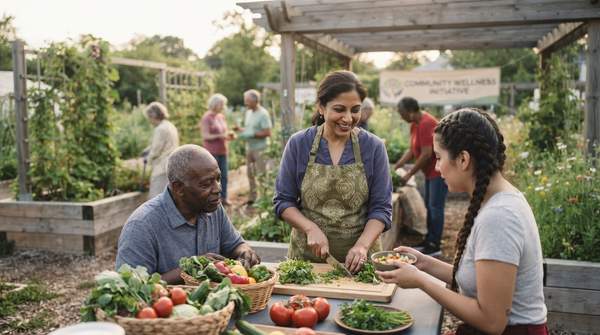
In a fast-paced world, slow living offers a vital framework for reclaiming personal agency, mental health, and purpose. Constant pressure to perform and accelerate often leads to exhaustion and disconnection. Adopting a deliberate pace cultivates resilience against burnout, fostering a sustainable approach to life and work. This intentional deceleration promotes deeper community connections, countering modern urban isolation. It encourages engagement with cultural practices, local economies, and personal values, leading to an enriched existence. This collective reorientation towards slowness signals a growing societal need for balance and meaningful engagement by 2026, moving beyond superficial achievements to genuine well-being.
Common Questions About Slow Living
What are the benefits of slow living for mental health?
Embracing slow living can significantly reduce symptoms of anxiety and improve overall emotional regulation. By encouraging mindfulness and a focus on the present, individuals often experience enhanced clarity and a greater sense of calm, which can lead to better sleep quality and reduced stress-related physical ailments. This deliberate approach allows for a deeper processing of thoughts and emotions, fostering mental resilience.
How can I start practicing slow living in my daily life?
Begin with small, intentional changes such as dedicating 15 minutes each day to a single, non-productive activity like reading or listening to music without distraction. Consider implementing a "digital Sabbath" one day a week, disconnecting from screens to engage in real-world interactions or nature. Focusing on mindful eating by savoring meals without rushing also offers a tangible entry point into a slower pace.
What are the core principles of the slow living movement?
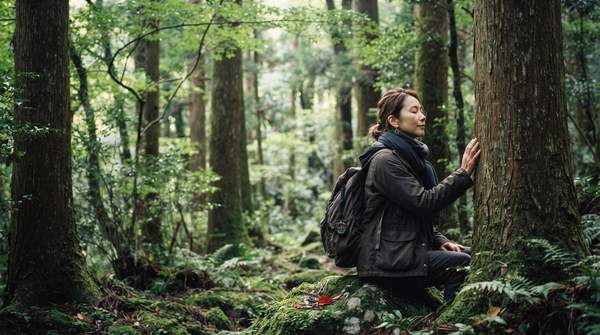
The movement centers on intentionality, encouraging deliberate choices in all aspects of life rather than acting on impulse or external pressure. It also values quality over quantity, promoting deeper engagement with fewer possessions, experiences, and relationships. Connection to oneself, others, and the natural world, alongside a commitment to simplicity and localism, form the foundational tenets of this philosophy.
The Future of Intentional Living
By Q4 2026, as slow living evolves into an 'ideational phase' and a recognized societal paradigm, cultural institutions and wellness platforms, like those highlighted by EBSCO, are likely to further integrate its principles, solidifying its place in mainstream discourse.