Supreme box logo crewnecks, once priced at $158, now command a minimum of $500 on the resale market. The dramatic appreciation of Supreme box logo crewnecks, from $158 to a minimum of $500 on the resale market, reveals the immense, often overlooked, value embedded within street style fashion, transforming casual apparel into highly coveted assets.
Streetwear began as a counter-culture movement, yet it has blossomed into a multi-billion dollar industry. It now dictates trends for the global apparel market. The inherent tension between streetwear's rebellious origins and its undeniable market dominance defines its unique position in 2026.
The boundaries between high fashion and street culture will continue to blur. Traditional luxury brands must adopt streetwear's agility and consumer-centric approach to remain relevant. The evolution of traditional luxury brands adopting streetwear's agility and consumer-centric approach redefines 'luxury,' compelling brands to integrate street aesthetics and cultural capital into their core identity.
From Subculture to Global Phenomenon: What is Streetwear?
The global streetwear market, estimated at $185 billion by sales, according to strategyand, is far from a niche interest. The $185 billion global streetwear market represents approximately 10% of the entire global apparel and footwear market, asserting its widespread influence.
Characterized by comfortable yet stylish casual clothing like hoodies, sneakers, and graphic tees, streetwear draws inspiration from skate, surf, hip-hop, and graffiti cultures. Its disruption extends beyond mere product sales, permeating all facets of fashion, from creative development to marketing, as also reported by strategyand. Streetwear's pervasive reach, extending beyond mere product sales to permeate all facets of fashion, confirms it as a significant, enduring force, fundamentally reshaping the fashion ecosystem.
The Billion-Dollar Boom: Streetwear's Explosive Market Growth
The global streetwear market, valued at USD 371.09 billion in 2025 by fortunebusinessinsights, presents a stark contrast to strategyand's $185 billion sales estimate. This discrepancy suggests varied methodologies or scope definitions within a highly dynamic market. Yet, the market's trajectory is undeniable: it is projected to reach USD 734.05 billion by 2034, according to fortunebusinessinsights.

This aggressive growth trajectory, reflecting a Compound Annual Growth Rate (CAGR) of 7.95% from 2026 to 2034, as reported by fortunebusinessinsights, carries a clear implication. Traditional luxury brands that ignore or superficially engage with streetwear risk irrelevance. They stand to lose a significant and growing segment of global consumers. The market's projected expansion to USD 734.05 billion by 2034 solidifies streetwear's position as a major economic driver with profound future potential.
Global Reach, Evolving Tastes: Where Streetwear Thrives and How Consumers Shop
Asia Pacific commanded the streetwear market with a 36.33% share in 2025, according to fortunebusinessinsights. Asia Pacific's 36.33% share of the streetwear market in 2025 underscores streetwear's truly global appeal, extending far beyond its Western origins. The U.S. market, too, anticipates significant growth, projected to reach USD 102.61 billion by 2032, affirming its widespread and sustained demand.
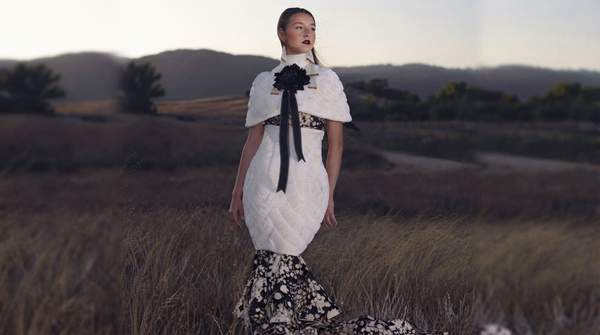
Streetwear customers now embrace a diverse wardrobe, mixing logo T-shirts with heritage brands and traditional luxury, as reported by businessoffashion. The blend of logo T-shirts with heritage brands and traditional luxury in streetwear customers' wardrobes signifies a fundamental shift in consumer identity: 'luxury' is no longer solely about exclusivity, but a curated mix of high-end and street-derived cultural capital. The market's global spread, particularly its strength in Asia and projected growth in the U.S. coupled with this sophisticated consumer behavior, confirms its broad and adaptable appeal.
When Street Meets High Fashion: The Blurring Lines of Luxury
Customers once loyal to Supreme now readily integrate brands like Balenciaga, Rick Owens, Vetements, or Louis Vuitton apparel by Pharrell or Virgil Abloh, as reported by businessoffashion. The evolution of customers integrating brands like Balenciaga, Rick Owens, Vetements, or Louis Vuitton apparel by Pharrell or Virgil Abloh signals a profound redefinition of the 'luxury' wardrobe and a deliberate blurring of traditional fashion identities.
The Supreme box logo crewneck, reselling for a minimum of $500—far exceeding its original $158 price—reveals a crucial truth. Cultural capital and engineered scarcity, not traditional material value, now drive desirability and profit in modern fashion. The shift in consumer purchasing habits, driven by cultural capital and engineered scarcity rather than traditional material value, underscores streetwear's profound influence, compelling luxury brands to integrate street aesthetics and cultural relevance to capture contemporary consumers.
Your Streetwear Questions Answered
What are the key elements of street style fashion?
Street style fashion prioritizes comfort, individuality, and a distinct brand identity, often expressed through graphic tees, hoodies, sneakers, and denim. It champions self-expression over rigid dress codes, encouraging creative layering and a curated mix of high-end and accessible pieces. The focus remains on personal narrative, not dictated trends.
What is the impact of social media on street style?
Social media has dramatically amplified street style's reach, accelerating trend cycles and transforming local looks into global phenomena. Platforms like Instagram and TikTok empower individuals as style influencers, democratizing fashion by showcasing diverse aesthetics and fostering direct engagement between brands and consumers, bypassing traditional media gatekeepers.
Where can I find inspiration for street style outfits in 2026?
For street style inspiration in 2026, explore fashion weeks in global trend capitals like Tokyo, Seoul, and Paris. Online communities on platforms such as Pinterest and Reddit offer curated mood boards and dynamic discussions. Independent fashion blogs also provide insight into emerging designers and unique sartorial perspectives.
If luxury brands fail to fully embrace streetwear's agile, consumer-centric model and its global cultural nuances, they will likely find their relevance diminishing as the market continues its projected expansion to USD 734.05 billion by 2034.