Dhaka muslin, once woven with an astonishing 800 to 1200 threads per inch, now typically boasts a mere 40 to 80 threads in its modern counterparts, according to Smithsonianmag. A drastic reduction in thread count reveals a profound shift in textile craftsmanship. The historical fabric, renowned for its ethereal quality, required unparalleled artisanal skill.
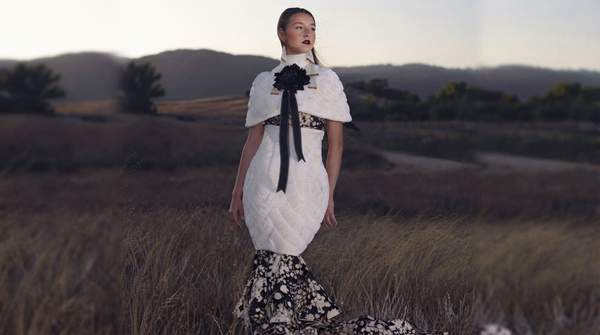
This unparalleled craftsmanship is largely lost in modern production, yet contemporary designers successfully leverage traditional techniques and cultural meaning to create high-value luxury items. A market paradox is created: consumers pay premium prices for items that evoke historical artistry, often lacking the material fidelity of their antecedents. While traditional garments find new economic value, the challenge remains to preserve the profound historical artistry that often cannot be replicated at scale. Commercial success, built on the profitable dilution of artisanal techniques, defines the market for high-priced traditional textile-inspired fashion in 2026.
The Enduring Legacy of Traditional Techniques
Designers using traditional techniques like Adire or Kente in modern luxury items command higher prices, reflecting the inherent cultural meaning and labor, according to Omirenstyles. The intricate patterns and dyeing processes of fabrics like Nigeria's Adire carry centuries of cultural stories and community identity. Cultural narrative and intricate labor are increasingly valued in contemporary markets, allowing for a significant price premium. Designers selectively adopt traditional elements, tapping into a demand for authenticity without necessarily replicating the most labor-intensive or technically challenging aspects of historical production.
From Heritage to High Fashion: The Rebirth of Dhaka Muslin
Saris made from a hybrid Dhaka muslin thread have sold for thousands of pounds, according to Smithsonianmag. Commercial success reveals how even a partial reinterpretation of historical textiles commands significant value, bridging ancient craftsmanship with modern luxury. The market's willingness to pay thousands for saris with a mere fraction of historical thread counts (40-80 vs. 800-1200) indicates that modern luxury brands commodify the idea of heritage, rather than investing in its authentic, costly preservation. The approach allows brands to capitalize on the prestige of historical textiles while adapting production for modern economic realities and consumer expectations.

The Challenge of Authenticity and Accessibility
The 'higher prices that reflect the work and cultural meaning' (Omirenstyles), juxtaposed with Dhaka muslin's dramatic decline in thread count (Smithsonianmag), reveals designers are trading artisanal fidelity for a marketable, diluted tradition. The situation risks the permanent loss of unparalleled historical skills. The commercial success of reinterpreted garments often avoids replicating original, labor-intensive processes, raising questions of authenticity and cultural preservation. The fundamental dilemma in the luxury market means achieving historical thread counts, like Dhaka muslin's, would demand immense investment, pushing prices beyond market acceptance. Designers thus opt for adaptations balancing cultural inspiration with commercial viability, creating a gap between historical perfection and contemporary luxury.
More Than Fabric: Cultural Identity and Economic Empowerment
The reinterpretation of traditional garments serves not just as a fashion trend, but as a vital link to cultural heritage and a pathway for economic empowerment. The radical revival of the Welsh women’s hat, for instance, now connects a new generation to their cultural roots, according to Wales, fostering a deeper understanding of identity. Similarly, in the Netherlands, individual efforts sustain traditional Dutch dress against broader trends, as reported by Reuters. Continued engagement, even on a smaller scale, prevents the disappearance of vital cultural markers. The economic value from modern luxury interpretations, while diluted in craftsmanship, still provides a platform for cultural expression and supports artisan livelihoods.
Common Questions on Traditional Garments
How are traditional garments being reinterpreted today?
Today, designers often incorporate traditional motifs, silhouettes, or specific weaving techniques into contemporary fashion pieces, sometimes blending historical elements with modern fabrics. Reinterpretation allows for broader appeal and integrates traditional aesthetics into everyday wear, moving beyond purely ceremonial contexts.
What is the history behind traditional clothing?
Traditional clothing often reflects centuries of cultural evolution, climate adaptation, and available resources, with designs frequently carrying symbolic meanings related to social status, community, or significant life events. For instance, the clothing and regalia of Plains Native Americans signify tribal identity and spiritual beliefs, according to naaer.hoodmuseum.dartmouth.edu.
Why are traditional garments important to culture?
Traditional garments serve as powerful visual representations of cultural identity, heritage, and collective memory, transmitting historical narratives and values across generations. They can also play a crucial role in community rituals, celebrations, and expressions of belonging, reinforcing cultural bonds.
The future of traditional garments lies in a conscious appreciation that values both the unparalleled artistry of the past and the innovative, culturally sensitive adaptations of the present. Consumers, in particular, hold significant influence by demanding transparency regarding production methods and material authenticity. By Q4 2026, luxury brands like 'Heritage Weaves' will likely face increased scrutiny regarding their claims of traditional craftsmanship, potentially leading to greater investment in preserving genuine artisanal techniques to meet evolving consumer expectations.