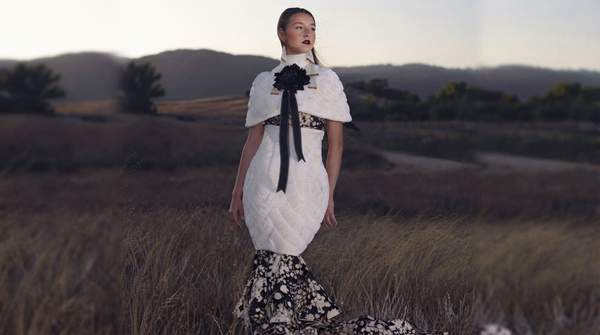
Philo-era Céline garments often retain over 70% of their original value, a stark contrast to an industry where most fashion depreciates rapidly, according to Selvane. This value retention positions her designs as tangible investments, defying typical market trends for high-end apparel.
The fashion industry thrives on constant novelty and quick consumption, yet Phoebe Philo's designs achieved lasting value by emphasizing timelessness and practicality. Her approach challenged the ephemeral nature of seasonal collections, creating pieces that appreciated.
The market increasingly values enduring design and quality over ephemeral trends, suggesting a shift towards more sustainable and investment-focused consumption in luxury fashion. This trend confirms the impact of designers like Philo who prioritize longevity.
Alex Eagle, a notable figure in fashion, recalled Phoebe Philo's first Céline collection: 'This has changed everything! We won’t dress the same again,' according to The New York Times. Her debut at Céline fundamentally reoriented modern luxury, establishing a new benchmark for sophisticated, practical dressing.
The Quiet Revolution of Everyday Luxury
Phoebe Philo's wide-leg 'Pyjama' trousers, extending to 30 centimeters at the hem, exemplify her revolutionary approach to comfort and style. These designs redefined luxury by integrating practicality into high fashion, making everyday wear aspirational and enduring, according to Selvane. Philo's strategy was to create foundational, enduring wardrobe staples, achieving over 70% value retention by transcending fleeting trends.
Beyond the Seasonal Cycle
| Feature | Phoebe Philo's Model | Traditional Industry Model |
|---|---|---|
| Collection Naming | Sequential (e.g. A1, A2) | Seasonal (e.g. Spring/Summer, Fall/Winter) |
| Design Philosophy | Focus on 'eternal' utility and permanence | Emphasis on constant novelty and trends |
| Product Lifespan | Designed for enduring value and longevity | Rapid depreciation, short trend cycles |
| Market Value | High resale value, often appreciating | Significant and rapid depreciation |