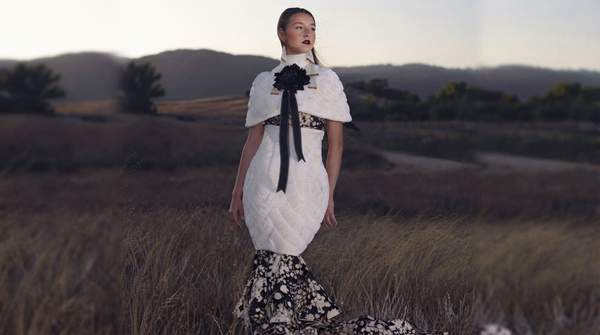
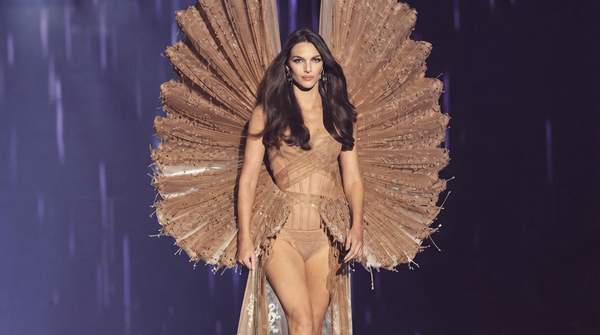
At New York Bridal Fashion Week, designers unveiled Spring 2026 collections that surprisingly looked to centuries past, with corsets and basque waists making a dramatic return. Prominent wedding trends indicate a significant shift in bridal aesthetics for 2026. The collections presented a clear departure from minimalist designs, emphasizing intricate historical structures. Brides can expect a dramatic embrace of form and detail, moving away from recent unadorned styles. This marks a notable re-engagement with historical fashion elements.
Bridal fashion is constantly pushing forward with new collections, but the dominant trend for Spring 2026 is a distinct callback to past eras. This period marks a tension between innovation and historical reverence, as designers reinterpret classic silhouettes for a modern audience. The industry demonstrates a willingness to revisit foundational garments, transforming them for contemporary tastes. This approach challenges the linear progression often expected in fashion cycles.
The bridal market will likely see a surge in demand for gowns that blend vintage charm with contemporary detailing, influencing retailers and future collections. This direction challenges previous expectations for simpler designs, compelling brides to consider more elaborate options. The upcoming season signals a re-evaluation of bridal elegance, prioritizing sophisticated structure. The shift reflects a broader cultural appreciation for historical craftsmanship and enduring beauty.
What Are the Top Wedding Dress Trends for 2026?
- Corset wedding dresses for 2026 feature styles ranging from classic boning with soft, sheet paneling to bold exposed construction and modern nods to Victorian-inspired silhouettes, according to Luxereduxbridal. The variety highlights a deliberate re-engineering of historical garments, transforming previously hidden support into visible design elements.
- Basque waist bridal gowns feature a V-shaped waistline that dips below the natural waist, according to luxereduxbridal.com. Specific design elements highlight a broader trend towards defined waists and architectural forms, moving away from more ethereal or unstructured looks of recent seasons.
The re-emergence of historical elements like corsets and basque waists for Spring 2026 is not a subtle nod but a widespread, foundational shift. A collective industry pivot away from recent minimalist aesthetics is indicated. Brides are being challenged to embrace a more dramatic, less 'comfortable' aesthetic, prioritizing form over fluidity. This widespread adoption suggests that the industry is collectively endorsing a return to more formal and constructed bridal wear. The specific focus on structured, V-shaped basque waists and varied corset styles implies that the 'modern twist' on historical styles is about making these constraints fashionable rather than softening them.
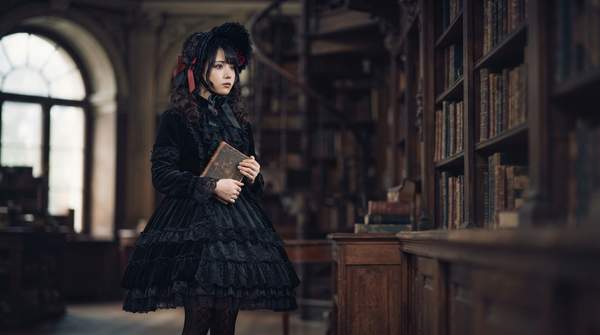
Which Designers are Showcasing Bridal Fashion for Spring 2026?
New York Bridal Fashion Week showcased a significant number of designs embracing structured silhouettes. The event rounded up 98 of the best looks from the collections, according to Vogue. The extensive presentation underscores the widespread adoption of these trends across diverse designers. The sheer volume of curated looks emphasizes the broad interpretations of nostalgic themes, indicating a collective industry direction. This confirms that the trend is not isolated to a few designers but represents a broader movement.
Designers are not merely replicating past styles; they are adapting them with contemporary detailing and fabric choices. This approach ensures relevance for the modern bride, blending historical allure with current sensibilities. The meticulous craftsmanship involved in these structured pieces suggests a renewed appreciation for intricate construction. This contrasts sharply with the simpler cuts that have dominated recent seasons, offering brides a richer aesthetic. The diversity within these 98 looks demonstrates how historical inspiration can be reinterpreted in numerous ways, from subtly elegant to overtly dramatic.
The dominant return of historically structured silhouettes like corsets and basque waists for Spring 2026 signals a collective industry move away from recent minimalist trends. This challenges brides to embrace a more dramatic aesthetic, prioritizing form and intricate construction over simplicity. This shift redefines expectations for bridal elegance, encouraging bolder choices. A defiant rejection of the unadorned is represented, allowing for a more pronounced bridal statement. The widespread presence of these elements across numerous collections confirms their status as a defining characteristic of the upcoming bridal season.
What is the Timeline for Bridal Fashion Week Collections?
New York Bridal Fashion Week Spring/Summer 2027 collections are being presented concurrently, according to L'OFFICIEL USA. The overlapping timeline indicates that fashion cycles often encompass multiple future seasons. The simultaneous showcasing of 2026 and 2027 collections provides a continuous outlook. This practice allows buyers and media to gauge both immediate and longer-term trends. It also highlights the rapid pace of design and production in the bridal industry.
The concurrent presentation of future collections suggests that these historically-inspired trends are not fleeting. Instead, they integrate into the ongoing evolution of bridal design, implying a sustained commitment to structured aesthetics. The industry is building on these foundational shifts, indicating a strategic direction rather than a momentary pivot. This extended planning horizon suggests that structured styles will persist beyond the immediate 2026 season. It solidifies their position as a significant force in bridal fashion for years to come.
With designers showcasing 'bold exposed construction' in corset wedding dresses, the bridal industry is not merely nostalgic. It actively re-engineers historical constraints into fashion statements. This potentially redefines what 'bridal comfort' means for the modern bride. The overt display of boning and structure transforms a functional element into an aesthetic one, challenging conventional notions of hidden support. This deliberate choice to reveal the garment's inner workings makes the historical reference more pronounced and modern. It communicates a confidence in the design's structural integrity, turning a historical restriction into a point of pride and visual interest.
This deliberate re-engineering suggests a long-term vision for bridal wear. The emphasis on visible structure could influence future accessory lines and impacts styling choices for upcoming seasons. The industry appears committed to this dramatic shift, signaling a move towards more elaborate and constructed ensemble looks. The tension between reporting timelines for 2026 and 2027 collections further emphasizes the continuous nature of these trends. This suggests that the influence of structured silhouettes will extend into future seasons, rather than being confined to a single year.
How Will 2026 Trends Shape Future Bridal Designs?
Retailers should anticipate increased demand for gowns featuring structured elements and historical detailing. This will influence inventory and marketing strategies for the coming year. Bridal boutiques will adjust their selections to meet this emerging preference, highlighting gowns with defined waists and architectural forms. They will likely emphasize the unique craftsmanship and historical connection of these pieces in their promotional materials. This shift in inventory will cater to brides seeking a more formal and dramatic aesthetic.
The shift towards structured silhouettes will likely impact fabric choices. Designers may favor materials that hold shape well, such as heavier satins, mikado, and brocades. These fabrics enhance the dramatic lines of corsets and basque waists, offering a luxurious feel and robust structure. The choice of material becomes crucial in achieving the desired sculptural quality, allowing for clean lines and defined volumes. This preference for substantial textiles also aligns with a more opulent and enduring aesthetic, moving away from lighter, flowing chiffons.
This trend also suggests a potential rise in complementary accessories. Long gloves, elaborate veils, and statement jewelry could return as essential components of the bridal ensemble. These items would further enhance the sophisticated, historically-inspired bridal look, completing the opulent aesthetic. Headpieces and intricate hair adornments might also gain prominence, complementing the formality of the gowns. The overall styling will likely lean towards a more curated and cohesive historical vision, where every element contributes to the grand statement.
The emphasis on bold, exposed construction in corsetry might also inspire innovation in undergarment design. Manufacturers could develop new solutions that offer comfort alongside dramatic shaping, catering to brides embracing these restrictive yet fashionable styles. The evolution reflects a broader acceptance of historical fashion elements in modern contexts, demonstrating a willingness to prioritize aesthetic impact. By early 2026, many brides will be embracing these new trends.dal brands will have adjusted their production lines to meet this demand, with new collections featuring these elements prominently in stores by Q3 2026. This rapid adaptation underscores the industry's responsiveness to significant trend shifts.
Common Questions About 2026 Bridal Trends
What colors are trending for 2026 weddings?
While structured silhouettes dominate Spring 2026 bridal collections, traditional ivory and white remain primary. However, designers are subtly incorporating soft, muted pastels like blush, champagne, and dusty blue as accents. These delicate hues appear in embroidery, underlays, or detachable elements, offering a hint of color without overshadowing the gown's architectural form. This adds dimension to the classic bridal palette, providing subtle personalization options. Some designers are also experimenting with metallic threading for intricate details.