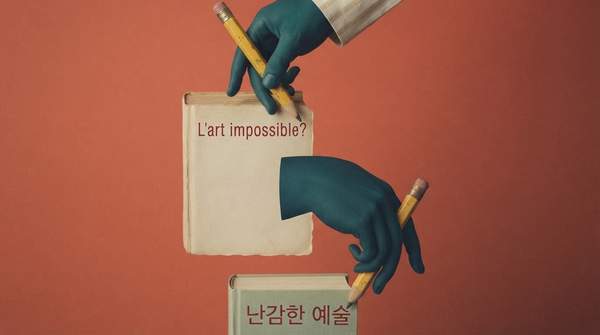
Sweden has allocated over 2.1 billion krona ($200 million) to reintroduce physical textbooks and teacher guides in schools, directly challenging the global digital-first trend in education. This substantial investment, equivalent to £157 million, aims to reverse declining literacy rates among young students, asserting the enduring value of tangible learning materials. The move reveals a growing apprehension about the impact of excessive screen time on foundational learning, particularly as evolving reading habits in schools for 2026 continue to be debated.
While major educational publishers like Pearson are pushing digital-first strategies for their US markets, the Swedish government is investing hundreds of millions to bring physical books back into classrooms to improve literacy. This creates a stark tension between industry-driven technological adoption and government-led pedagogical reform, marking divergent paths for the future of education.
Other nations grappling with declining literacy rates may soon follow Sweden's lead, prompting a broader re-evaluation of digital learning's role in foundational education. This potential shift suggests that the uncritical embrace of digital tools might have inadvertently overlooked the profound benefits of traditional print for deep comprehension and critical thinking.
Sweden's Return to Basics: A Blueprint for Literacy
The Swedish government has allocated over 2.1 billion krona ($200 million; £157 million) in grants for schools to invest in physical textbooks and teacher guides, according to BBC. This substantial financial commitment forms the bedrock of a national "return to basics" initiative, prioritizing tangible resources over digital screens.
This initiative emphasizes reading and writing skills, actively reintroducing physical books, paper, and pens into classrooms to address declining literacy rates, as further detailed by the BBC. Such a decisive pivot reveals a strong link between tangible learning materials and improved foundational literacy outcomes, rather than a reliance on digital alternatives.
Sweden's bold $200 million pivot back to physical textbooks isn't just a nostalgic move; it's a data-driven indictment of the digital-first experiment, proving that true literacy development requires tangible engagement over screen time. The stark PISA data, showing paper readers scoring 34 points higher than digital readers, indicates that educational systems prioritizing digital access without considering the medium's impact on comprehension are trading convenience for critical learning outcomes, according to a systematic literature review on digital versus paper reading published in PMC NCBI.