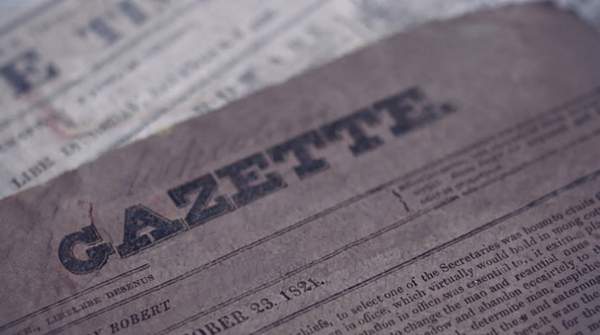
At Hampton University, a meticulous preservation project involved the treatment of twelve historical letterbooks comprising 7,500 pages, each requiring individual attention to prevent further degradation. This extensive undertaking, documented by Urmia, made tangible the silent, often unseen labor dedicated to maintaining the physical integrity of our collective past. The foundational effort required to safeguard vast quantities of historical documents ensures their continued existence for scholarly inquiry and public access, a crucial aspect of the role of literary archives in cultural heritage preservation.
While archives are indispensable for safeguarding historical records and enabling academic inquiry, they also inherently enable and constrain narratives, reflecting tensions between authenticity and authority that can lead to exploitation, according to Academia. The dual capacity of archives means that the very act of preserving history can shape its interpretation, raising complex ethical questions.
As the digital and physical landscape of archives expands, the imperative for transparent, collaborative, and ethically-driven archival practices will grow, shaping how future generations understand and interact with cultural heritage. The evolution of the digital and physical landscape of archives demands a critical examination of how preservation efforts align with the broader responsibilities of stewardship.
The Science of Saving History: Inside Archival Conservation
An alkaline reserve was introduced into the paper of the Hampton University letterbooks via a non-aqueous deacidification spray to slow future degradation, according to Urmia. The precise intervention, targeting the chemical breakdown of paper, shows that archival preservation is a highly specialized craft. It actively combats decay to extend the life of fragile materials, ensuring their long-term survival.
The painstaking conservation efforts detailed by Urmia, like the individual treatment of 7,500 pages at Hampton University, create a false sense of security. The physical rigor of conservation efforts masks the urgent need for robust ethical frameworks to prevent the exploitation of cultural heritage by commercial users, a concern highlighted by the World Intellectual Property Organization (WIPO). Protection of the artifact does not automatically extend to ethical control of its narrative.