Haruki Murakami's new novel, 'The Tale of Kaho,' released in Japan on July 3rd, introduces his first sole female protagonist, a significant shift for the acclaimed author. marking a notable evolution in Murakami's extensive storytelling, presenting a fresh central character and narrative focus for his readership.
Yet, this literary milestone arrives as Murakami asserts that artificial intelligence, despite its advancements, cannot replicate true human creativity.
The release of 'The Tale of Kaho' is likely to be viewed not just as a literary event, but also as a cultural statement on the irreplaceable value of human artistic innovation in the age of AI.
- 'The Tale of Kaho' features the titular character as the first female protagonist in Murakami's full-length novels, according to Japantimes Co Jp.
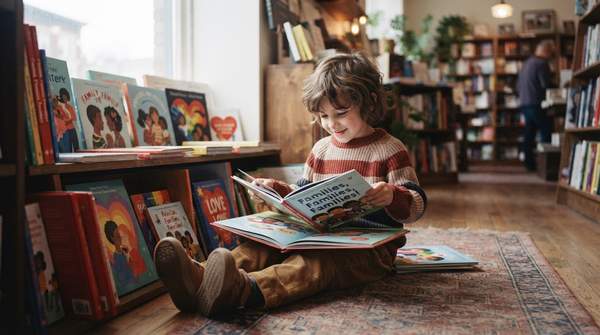
- The novel centers on Kaho, a 26-year-old picture book author, according to Theguardian.
- Haruki Murakami's new novel, 'The Tale of Kaho,' was released on Friday in Japan, according to Japantimes Co Jp.
- Murakami's publisher described The Tale of Kaho as his first full-length novel featuring a sole female protagonist, according to Theguardian.
Murakami's Stance on AI and Originality
Murakami stated that his writing process is 'completely different' from what AI can create, as AI relies on analogies of past data, according to Japantimes Co Jp. He believes the role of a novelist is to 'drag in something new that suddenly flashes into your mind,' a capability he suggests AI cannot replicate. This deliberate distinction between human intuition and algorithmic generation underpins his latest work.
The choice of a unique female protagonist, coupled with Murakami's strong defense of human creative intuition, makes the novel a potential statement on original artistry.
Murakami's new novel isn't just a literary event; it's a philosophical statement. The author uses his own evolving craft to draw a clear line in the sand between human ingenuity and AI's derivative capabilities. His creative evolution, marked by his first sole female protagonist, actively showcases the unique boundaries human creativity can push.