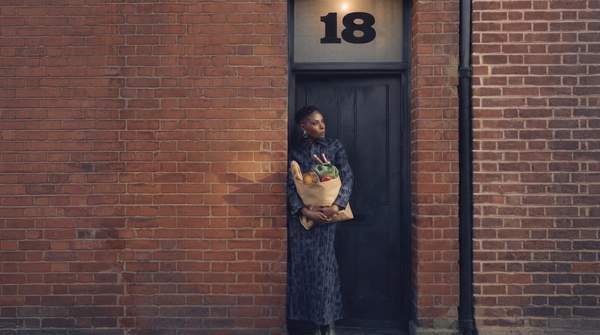
At the Zurich Film Festival's Zurich Summit, an AI-generated actress named 'Tilly Norwood' was unveiled around September 27, 2025, signaling a future where synthetic performers could challenge human creativity and alter the fabric of artistic production. This digital creation, capable of delivering performances without the complexities of human emotion or contractual demands, presented a stark, tangible example of the potential for artificial intelligence to disrupt established creative industries.
This unveiling occurred amidst a contentious debate in the UK, where the government initially sought to allow AI firms free use of copyrighted material for training their models. However, significant backlash from artists, musicians, writers, and parliamentary pressure has since forced a reconsideration of this permissive stance regarding ethical framework AI integration in creative industries for 2026 and beyond.
While the immediate threat to creative copyright has receded, the long-term struggle to balance technological innovation with artist protection will likely continue, with governments navigating a complex and evolving landscape that demands a sophisticated understanding of both economic imperatives and cultural preservation.
The UK government has notably backtracked on its initial position regarding AI training data and copyright, following intense backlash from artists and intellectual property advocates. Technology Secretary Liz Kendall stated that the government no longer favors its original approach, which had proposed an 'opt-out' system for copyrighted material, according to BBC. The pivot indicates a significant shift, as the government now seeks to balance the interests of its globally influential creative industries with the ambitions of burgeoning AI developers. The reversal signals a recognition that unchecked AI development at the expense of established creative rights is politically and ethically untenable, particularly in a nation where cultural exports form a substantial part of the economy.
Initially, the government's proposal suggested a pathway where AI firms could utilize vast datasets of copyrighted works unless individual creators explicitly opted out. This 'opt-out' system, as reported by The Guardian, sparked widespread outrage among British artists, novelists, musicians, and journalists, who argued it effectively permitted the appropriation of their work without fair compensation or prior consent. The subsequent policy adjustment demonstrates a governmental acknowledgment of the creative sector's economic and cultural leverage, forcing a complete policy overhaul rather than minor adjustments. The move highlights a political miscalculation in underestimating the collective power and unified voice of the artistic community.

The Creative Uprising: How Artists Forced a Policy Shift
In March 2026, a House of Lords committee issued a definitive warning that the UK’s creative industries must not be sacrificed for speculative gains in AI technology, as reported by The Guardian. The parliamentary intervention underscored the depth of concern within legislative circles regarding the government's initial proposals. The committee urged ministers to develop a robust licensing regime for the use of creative works in AI products, directly opposing any proposals that would allow tech firms to use the work of novelists, artists, writers, and journalists without explicit permission.
The collective outcry from various creative sectors was both immediate and forceful. British artists expressed profound outrage at the government's initial suggestion to let AI firms use copyright-protected work without owner permission unless the owner opted out, according to The Guardian. This strong, unified front from artists and legislative bodies proved too powerful for the government to ignore, highlighting the substantial economic and cultural value that human creativity contributes to the nation's identity and prosperity. The intensity of this backlash likely stemmed from a perception that the government was prioritizing the nascent AI industry over established, globally influential creative sectors, threatening livelihoods and intellectual property rights.
The government's initial 'opt-out' proposal demonstrated a significant underestimation of the creative sector's influence and its capacity for organized advocacy. The subsequent policy overhaul, rather than a minor adjustment, indicates that the political cost of alienating the creative community was deemed too high. This strategic retreat suggests a growing political consensus that the benefits of AI must not come at the expense of existing economic pillars, particularly those with a proven track record of global impact. The unified opposition effectively transformed an abstract policy debate into a concrete existential concern for artists, compelling a reconsideration of the foundational principles governing AI's access to creative works.
The dramatic pivot on AI copyright, driven by intense pressure from its creative industries, sets a powerful international precedent: governments cannot simply prioritize AI development at the expense of established intellectual property rights without facing significant political and economic backlash. This shift in the UK's stance reflects a broader societal discussion about the ethical boundaries of technological advancement and the imperative to protect human ingenuity in an increasingly automated world. The creative industries, through their sustained advocacy, have demonstrated that their collective voice can indeed shape national policy, ensuring that human-centered artistic production remains a protected and valued endeavor.
Balancing Act: Government's Continued AI Ambitions
Despite the significant policy reversal on AI copyright, the UK government has simultaneously demonstrated its continued commitment to fostering AI development through substantial investment initiatives. The government launched a £500 million Sovereign AI Unit designed to invest in and support AI companies, according to The Times. The substantial financial commitment underscores the nation's ambition to position itself as a global leader in artificial intelligence, even as it grapples with the ethical implications for existing industries and the complex task of integrating AI responsibly into the broader economy.
This dual approach reveals a nuanced governmental strategy: on one hand, protecting the established economic and cultural value of its creative sectors; on the other, nurturing the growth of a transformative technological field. The £500 million investment demonstrates that the government's ambition to become an AI superpower has not waned, even with the recognition that unrestricted access to copyrighted data is politically unfeasible. This complex balancing act requires navigating the tensions between fostering innovation and ensuring fair compensation and protection for creators.
Companies developing AI in the UK will now face a more constrained and potentially costlier environment for data acquisition, forcing them to innovate within stricter ethical and legal boundaries than initially anticipated. This could, paradoxically, foster more responsible and creative AI development, pushing firms to explore alternative data sourcing methods or develop models that require less proprietary training data. The challenge for the government lies in ensuring that these constraints do not stifle innovation entirely, but rather channel it towards ethically sound and economically sustainable pathways.
The UK's £500 million investment in a Sovereign AI Unit is undeniably undermined by its simultaneous policy backtrack on copyright, suggesting a fundamental conflict between fostering domestic AI development and protecting its globally influential creative sector. The tension highlights a critical juncture where the nation must define what kind of AI leadership it seeks: one built on unrestricted data access, or one founded on robust ethical frameworks and respect for intellectual property. The current trajectory suggests a leaning towards the latter, even if it introduces additional complexities for AI developers.
Beyond Copyright: The Broader Ethical Landscape of AI Creativity
The unveiling of 'Tilly Norwood,' an AI-generated actress, around September 27, 2025, at the Zurich Film Festival's Zurich Summit, provided a stark, real-world example of the very threat that the creative industries were protesting against, according to FinancialContent. This development transformed an abstract policy debate about data licensing into a concrete existential concern for artists, making the concept of AI replacing human creativity immediately tangible and urgent. The emergence of such synthetic performers extends the ethical discussion beyond mere copyright to the fundamental nature of authorship and the value of human presence in artistic endeavors.
Following the 'Tilly Norwood' unveiling, SAG-AFTRA, the prominent actors' union, declared that 'creativity is, and should remain, human-centered,' and stated its opposition to 'the replacement of human performers by synthetics,' as reported by FinancialContent. This strong stance from a major industry body exemplifies the broader societal debate about the nature of creativity and humanity's role in an AI-augmented future. The discussion delves into questions of authenticity, the emotional connection audiences form with human artists, and the ethical implications of creating digital doppelgangers that could displace living performers.
The emergence of synthetic performers and the expansion of ethical frameworks reveal a deeper societal debate about the nature of creativity and humanity's role in an AI-augmented future. This conversation transcends the legalities of intellectual property to touch upon philosophical questions: What constitutes art when generated by algorithms? What is the intrinsic value of human ingenuity when machines can replicate or even surpass certain creative outputs? These considerations compel a re-evaluation of human-centered values in an increasingly technologically mediated world, pushing for a definition of creativity that distinguishes human experience from algorithmic generation.
The unveiling of an AI-generated actress like 'Tilly Norwood' provides a tangible, immediate threat that likely fueled the intensity of the creative industry's backlash, transforming an abstract policy debate into a concrete existential concern for artists. This event serves as a powerful reminder that the debate over AI and creativity is no longer theoretical; it represents an immediate, high-stakes battle for the future of human-centered artistic production, with the UK's policy shift marking a significant victory for human artists and their advocates.
The Road Ahead: Ongoing Policy Refinement and Future Challenges
The UK government's cautious approach to AI copyright signals a prolonged period of policy refinement, with no quick or easy solutions for integrating AI into creative sectors. Technology Secretary Liz Kendall stated that the government will not reform copyright laws until confident they meet objectives for the economy and UK citizens, according to BBC. This commitment suggests that future legislative changes will be meticulously evaluated against broader economic and societal impacts, rather than being driven solely by the demands of the tech industry.
This careful stance implies that AI developers in the UK must anticipate a regulatory environment that prioritizes ethical considerations and intellectual property rights. The government's decision to pause copyright reform until confident in its economic and citizen objectives reflects a growing political consensus that AI's benefits must not come at the expense of existing economic pillars. Such an environment could foster a unique model of AI innovation in the UK, one that is intrinsically linked to responsible development and a respect for creative output.
The cautious approach to copyright reform and the ongoing development of ethical frameworks suggest a prolonged period of policy refinement, with no quick or easy solutions for integrating AI into creative sectors. This means that both AI developers and creative industries will need to engage in continuous dialogue and adaptation, navigating an evolving regulatory landscape that seeks to balance technological progress with the protection of human endeavor. The emphasis on meeting broader economic and citizen objectives indicates a holistic view, aiming for sustainable growth that benefits all stakeholders.
By late 2026, AI developers operating within the UK will continue to face a regulatory landscape that champions the protection of intellectual property, demanding innovative approaches to data acquisition and model training. The government's commitment to a deliberate and cautious approach means that the 'Tilly Norwood' moment, while illustrative of AI's capabilities, has solidified the resolve to protect human creativity in the digital age.