Identity Formation
5 articles
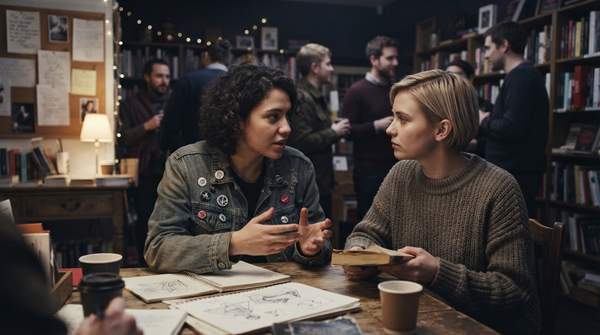
How Online Fandoms Become Distinct Cultures: The Sociological Mechanisms That Matter
Online fandoms evolve into distinct cultural communities through a series of sociological mechanisms, starting with shared interest and progressing through interaction, norm development, specialized language, and insider/outsider dynamics. This process transforms a loose group into a culture with its own identity, rules, and economy.

Digital Storytelling in the Diaspora: A Toolbox for Both Saving Heritage and Reinventing It
Diaspora communities leverage digital storytelling for a dual purpose: preserving fading historical and cultural narratives while actively reshaping their identities in new contexts. This process involves a spectrum of digital approaches, from archiving to ephemeral social media, each balancing heritage preservation with cultural evolution.

From Interest to Identity: How Online Communities Shape Who We Are
Online communities actively shape cultural identity through social categorization and narrative sharing, transforming shared interests into a sense of self. These digital spaces offer belonging but also present risks like exclusion and polarization, leading to a fusion of online and offline identities.

The Evolving Landscape of LGBTQ+ Picture Books: Themes, Gaps, and Cultural Significance
LGBTQ+ inclusive picture books have evolved significantly, moving from subtle to explicit narratives that reflect changing societal attitudes and foster identity formation. Despite progress, representation gaps persist for certain identities, and these books continue to face censorship challenges.

What Is Promotional Culture's Influence on Society and Identity?
The negative psychological effects of traditional advertising on women's self-perception are not merely persisting but intensifying in digital contexts, according to PMC .