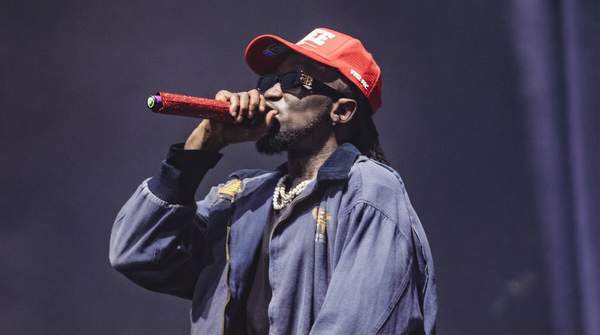
Lil Nas X’s 2018 single, 'Old Town Road', shattered records, spending an unprecedented 19 weeks at #1 on Billboard’s Hot 100. This country-hip-hop fusion proved a monumental commercial success, demonstrating a clear public appetite for sounds that disregard conventional musical categories, according to Sites Nd. This country-hip-hop fusion proved a monumental commercial success, demonstrating a clear public appetite for sounds that disregard conventional musical categories, according to Sites Nd. Its cultural impact sparked discussions on genre definition and resonated widely by drawing from disparate traditions.
Despite this, genre-blending music, while increasingly popular and culturally impactful, often sees artists face market penalties and lower ratings. A significant disconnect is revealed: listeners embrace musical fluidity, yet established industry structures struggle to accommodate or reward such innovation. 'Old Town Road' appears an outlier against a broader trend of market resistance.
Digital platforms will accelerate genre fluidity and audience exposure. However, the music industry will likely continue grappling with how to categorize and reward genre-defying artists, creating persistent tension between innovation and established market structures. Cultural resonance, it seems, does not automatically guarantee industry reward within the current framework.
What Defines a Genre, Anyway?
To understand genre-defying music, one must first grasp genre itself. Music often fits into hierarchical structures; three primary musical complexes, for example, contain 16 distinct genre communities, according to pmc.ncbi.nlm.nih.gov. These classifications help listeners navigate vast selections and provide artists a creative framework.
Genre-blending deliberately or organically fuses elements from these established categories. It integrates sonic characteristics, lyrical themes, or structural approaches from one genre into another, challenging rigid boundaries. This process creates new sounds that resonate with diverse audiences seeking novelty and emotional depth. Artists draw from existing genre vocabularies, remixing them to forge new expressions that expand music's cultural understanding. The very act of blending, therefore, reinforces the underlying structure it seeks to disrupt, making its impact both revolutionary and evolutionary.
How Technology Fuels the Blend
Digital platforms and streaming services drive genre-blending's acceleration. Spotify, Apple Music, YouTube, and TikTok expose users to diverse sounds and viral mashups, democratizing access globally, according to 1stdropmusic. These platforms act as discovery engines, their algorithms recommending music across traditional genre lines, rapidly spreading innovative sounds.
Artists now experiment freely, reaching niche audiences without conforming to mainstream radio or label expectations. The ease of digital production and distribution empowers creators, fostering sonic exploration. Democratizing power fundamentally shifts consumer expectations about music, cultivating an openness to hybrid sounds previously unimaginable. The implication is a future where the listener, not the label, increasingly dictates musical trends and genre evolution.
The Broad Impact of Breaking Barriers
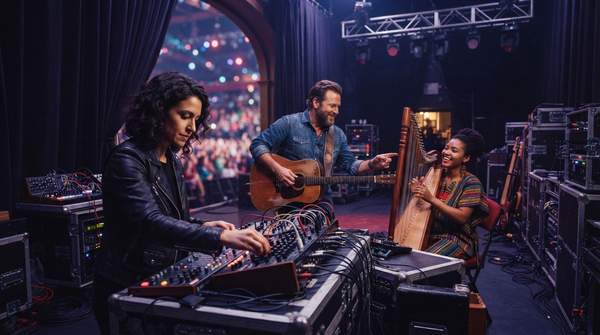
Genre-blending profoundly impacts the music ecosystem. It shatters creative barriers for musicians, fostering experimentation and expanding audience reach by cross-pollinating fan bases, as noted by 1stdropmusic. A hip-hop fan might discover country influences, and vice-versa, fostering new appreciation. This integration also makes live performances and festivals more eclectic; audiences now expect varied sonic experiences, moving beyond single-genre lineups.
Cross-pollination enriches music's cultural footprint, benefiting both creators and consumers with a wider, more nuanced soundscape. Digital tools further empower seamless merging of disparate elements, cementing genre-blending as a vital force. The implication is a more inclusive and dynamic cultural sphere, where music serves as a universal bridge rather than a series of isolated islands.
The Market's Resistance to Blending
Despite cultural enthusiasm, the market resists genre-defying music. Research shows genre-spanning musicians often receive lower average ratings than genre-specialists, according to Sites Nd. A disconnect between audience enjoyment and industry metrics persists. While digital platforms democratize access and foster fluidity, traditional industry structures prioritize definitional purity over audience-driven evolution. 'Old Town Road' remains an outlier; the market often punishes the average genre-defying artist.
The music industry's categorical structures actively stifle innovation by prioritizing clear genre labels over eclectic creativity, creating a systemic disadvantage for boundary-pushing artists. Companies clinging to traditional classifications for marketing and distribution risk overlooking significant consumer demand for blended music. A profound misjudgment of the modern listener's palate is suggested, potentially hindering future growth.
Not All Blends Are Created Equal
What are some examples of genre-defying music?
Beyond 'Old Town Road', FKA twigs blends R&B, electronic, and experimental sounds. St. Vincent fuses indie rock with art-pop and avant-garde elements. These artists craft distinct sonic identities, resisting easy categorization and appealing to listeners seeking unique artistic statements.
How has genre-defying music influenced mainstream artists?
It has significantly influenced mainstream artists by demonstrating the commercial viability and cultural resonance of hybrid sounds. Major pop artists now incorporate hip-hop, electronic, or global music, expanding their palettes and reaching broader audiences. Industry recognition of demand for adventurous, diverse musical offerings is signaled.
What are the characteristics of genre-defying music?
Genre-defying music experiments with diverse instrumentation, vocal styles, and lyrical themes from multiple traditions. It prioritizes innovative sound design and unconventional song structures over established formulas. Genres with looser boundaries tend to give straying artists a smaller negative impact than those with fewer variants, according to Sites Nd, highlighting a spectrum of acceptance for such characteristics. Some genre structures are inherently more permeable to innovation than others, influencing an artist's potential for market acceptance.
The Future of Fluidity
The music industry grapples with genre-blending's profound impact, with institutions slowly adapting. The Grammy category for Best Urban Contemporary Album, for instance, became Best Progressive R. & B. Album, and the Academy made its rules publicly available, as reported by Newyorker. A reactive shift suggests an industry struggling to fit fluid, digital-native phenomena into outdated, rigid structures rather than embracing their disruptive potential. Genre-blending, driven by artist innovation and audience demand, signals a clear trajectory towards increased musical fluidity, forcing institutions to slowly, reactively adjust to its undeniable impact.
The persistent tension between cultural resonance and industry reward for genre-defying artists will likely continue; by 2026, major labels and streaming services will need to fundamentally reassess their categorization and promotion strategies, or risk alienating a significant portion of their audience eager for diverse and unclassifiable sounds.