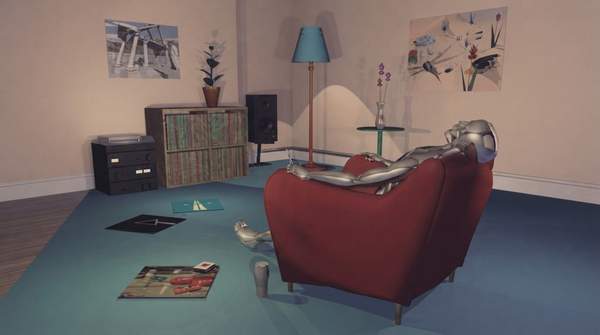
Intelligent Dance Music, or IDM, represents a fascinating evolution in electronic music, pushing beyond the confines of the dancefloor into realms of intricate sound design and complex rhythmic structures. While the term itself has been widely criticized and even dismissed by artists associated with it—often for implying that other dance music is less "intelligent," as noted by Wikipedia and Pitchfork—it nonetheless describes a pivotal movement that emerged in the early 1990s. This genre, sometimes referred to as "braindance" by Rephlex Records co-founder Aphex Twin, carved out a niche for electronic music intended for albums and home listening, rather than solely for public, collective rave experiences.
The origins of IDM are often traced back to the 1992 Warp compilation *Artificial Intelligence*, which promised "electronic listening music," a novel concept at the time. An electronic mailing list, the "IDM list," formed in 1993 to discuss English artists featured on this compilation, solidifying the acronym's use. As a journalist reflecting on this rich history, I find it essential to explore the foundational artists and albums that defined IDM, detailing their unique sonic innovations, historical context, and lasting influence on the broader electronic music landscape.
Aphex Twin: Pioneering Ambient and Complex Rhythms
Richard D. James, known as Aphex Twin, stands as a central figure in the genesis of IDM. His work, particularly the seminal album *Selected Ambient Works 85-92*, is frequently cited as a primary entry point for understanding the genre, according to The Needle Drop. Emerging from the post-rave era, Aphex Twin's early experiments drew heavily from new styles of ambient music and experimental Acid House originating in the UK, as Ramon from The Needle Drop explained. He was among the artists discussed on the "Intelligent Dance Music List" in the early 90s, which helped popularize the genre's name.
Aphex Twin's sonic innovations are characterized by a blend of intricate, often complex rhythms and expansive ambient textures. His music pushed electronic sounds beyond traditional dance structures, incorporating inventive drum programming and a mood distinct from typical rave tracks. While *Selected Ambient Works 85-92* laid much of the groundwork, later albums like *Drukqs* further showcased his diverse range, from prepared piano pieces to aggressive, complex electronic compositions. His influence extended beyond electronic dance music, with artists like Radiohead drawing on his "intelligent techno" sound for their 2000 album *Kid A*, as noted by AllMusic and reported by Wikipedia.


