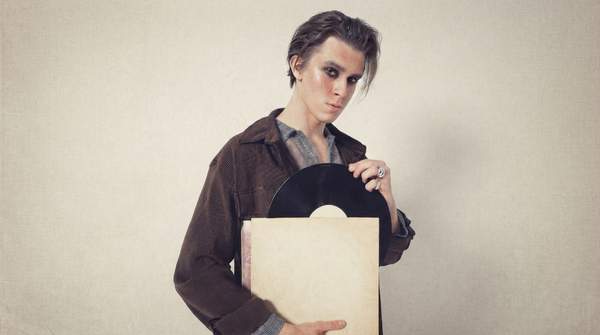
In an era defined by the instant access of streaming, a growing number of people are turning back to vinyl records, CDs, and Blu-rays. This resurgence is not simply about nostalgia; it reflects a deliberate choice for permanence, tangible curation, and autonomy in a digital world where the concept of ownership has become increasingly fragile. As consumers grapple with subscription fatigue and the impermanence of online libraries, physical media offers a compelling alternative rooted in true possession and personal expression, reminding us that access and ownership are not the same thing.
The Digital Dilemma: Why Streaming's Promise Falls Short
The initial appeal of streaming services was their promise of simplicity and endless choice. However, as the entertainment landscape has fractured, that simplicity has given way to a complex and often unmanageable web of subscriptions. According to cultural commentary from DerksWorld, this has led to a sense of "subscription fatigue," where media consumption can feel less personal and more transactional. The convenience of access is now weighed against the cost and mental load of managing multiple platforms, each with its own rotating catalog of content.
Furthermore, digital platforms rely on algorithms that, while useful for recommendations, can also limit discovery. These systems tend to reinforce existing preferences, making it less likely for a user to encounter works outside their established taste profile. An analysis from Aesthetics for Birds notes that while digital media provides abundant options, its algorithms can hinder genuine exploration. This curated environment creates a "box" that physical media, with its lack of algorithmic gatekeeping, allows consumers to break free from, offering a world of unrestricted discovery.
True Ownership: The Foundation of Physical Media's Appeal
A fundamental driver behind the return to physical formats is the distinction between true ownership and a digital license. When you purchase a Blu-ray, CD, or vinyl record, it becomes your property. As the audio equipment company Magnetar Audio North America puts it, "when you buy a physical disc, it’s yours. Not licensed. Not borrowed." This grants the owner the right to keep, lend, or resell the item indefinitely, free from the control of a third-party platform.
In stark contrast, "buying" a movie or album on a digital service grants you a license to access the content, a license that can be altered or revoked. This creates an "illusion of ownership," as consumers may not realize their purchases are contingent on the provider's continued operation and licensing agreements. In one notable case reported by The University News, the game publisher Ubisoft actively revoked digital licenses for a game from players' personal accounts after its servers were shut down, effectively confiscating a product that customers had paid for. Such events underscore the vulnerability of digital libraries to corporate decisions, making physical media a secure haven for permanent collections.