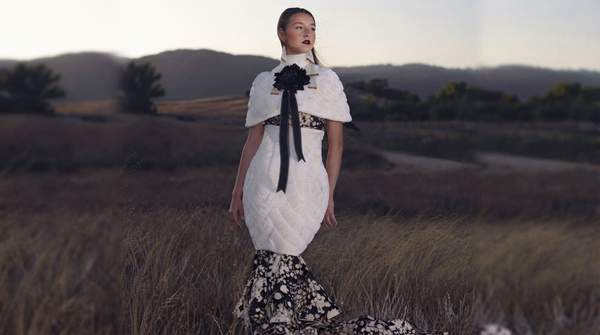
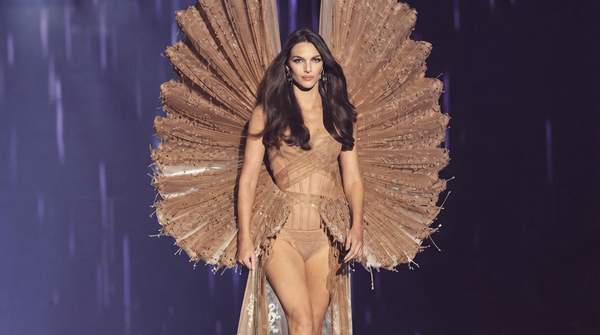
For the first time, a major luxury brand designs a collection explicitly for a fictional film's future. The Fall Winter 2026 collection for 'The Devil Wears Prada 2' blurs the lines between runway fantasy and on-screen reality, according to a Studio Press Release. This move builds on the original film's proven commercial power, which significantly boosted sales for several luxury brands, as detailed in a Fashion Industry Report.
Fashion collections typically draw inspiration from real-world trends or artistic concepts. This collection, however, is driven by the future demands of a fictional narrative. This fundamental tension challenges traditional design processes.
This unprecedented integration suggests the collection's success will likely pave the way for more direct collaborations between luxury brands and entertainment franchises. It could fundamentally alter how fashion is conceived and consumed, establishing film-driven narrative collections as a new industry standard for relevance and consumer engagement.
The Narrative-Driven Collection Takes Shape
- The film's costume designer reportedly collaborates closely with the Prada design team, according to Entertainment Weekly.
- Prada's recent collections have emphasized classic silhouettes with modern twists, as observed by Vogue Runway.
- The Fall Winter 2026 collection is expected to feature a blend of archival Prada references and new designs, according to a Design Team Leak.
- The original film's aesthetic continues to influence office wear and power dressing trends, according to Stylist Magazine.
This approach blends Prada's signature elegance with the iconic, aspirational style established by 'The Devil Wears Prada' film. It ensures both brand continuity and narrative relevance for the Fall Winter 2026 collection. Such deep integration of cinematic vision into the design process suggests a new model for brand identity, moving beyond mere inspiration to co-creation.
Beyond Product Placement: A New Model for Brand Integration
Consumer demand for 'story-driven' products is increasing across luxury sectors, according to Luxury Market Research. reflecting a fundamental shift in consumer expectations. Yet, film-inspired fashion lines have historically seen mixed commercial success, as noted by the Retail Analytics Group.
Previous film-inspired collections often struggle with authenticity if not deeply integrated, states the Brand Strategy Journal. Prada's deep integration of the film's narrative into its design process marks an evolution in luxury branding. It aims to overcome past challenges of authenticity in media crossovers, setting a new standard for brand engagement with entertainment. This model could redefine how luxury brands leverage cultural narratives for sustained consumer interest.
Fashion's Evolving Landscape: Where Culture Meets Commerce
The Fall/Winter 2026 season projects a return to structured tailoring and dark palettes, according to Harper's Bazaar Singapore. This aesthetic promises sophistication and refinement. Miuccia Prada, known for her intellectual approach to design and challenging conventional beauty standards, as noted by a Fashion Critic Review, could profoundly shape how these trends are interpreted within the collection.
Social media engagement for movie-fashion crossovers typically runs very high, reports Digital Marketing Insights. Prada's strategic move capitalizes on this cultural zeitgeist, leveraging both its design heritage and the film's enduring appeal. This intersection positions the collection at the forefront of evolving fashion trends and consumer interaction patterns, potentially creating unprecedented digital resonance.
The Runway's Ripple Effect: Future Implications for Luxury
Prada's recent financial reports show strong growth in ready-to-wear, according to Prada Investor Relations, providing a solid foundation for new ventures. The rumored runway show location, a historic Parisian landmark as reported by a Fashion Insider Blog, would add a layer of prestige to this cinematic integration. Such a high-profile launch could amplify the collection's cultural impact far beyond typical seasonal offerings.
The collection's reception will be a crucial indicator of future luxury brand strategies, potentially influencing broader investment in immersive experiential marketing. As sustainability and ethical sourcing grow as concerns for luxury consumers, states the Ethical Fashion Council, future brand success might depend on addressing these within narrative-driven collections. By Q3 2026, Prada's Fall Winter 2026 collection for 'The Devil Wears Prada 2' will have established a new benchmark for luxury brand engagement with entertainment franchises. This shift may compel other houses to re-evaluate their seasonal cycles and approach to cultural collaboration.