The materials reshaping sustainable fashion are not exotic concepts but deliberate responses to measurable problems. Biosourced fibers grown from fungi, extracted from pineapple leaves, or spun from algae are emerging because conventional cotton is water- and pesticide-intensive and because the fast fashion model multiplies the industry's carbon footprint. The trade-off holding these alternatives back is straightforward: they cost more to produce and remain hard for ordinary shoppers to find and afford.
The Urgent Need for Sustainable Fashion Materials
The pressure to find new fibers comes from the structure of modern fashion itself. The industry cycles new styles within months, and research published in the Science of the Total Environment journal, cited by Rocky Mountain College of Art + Design, attributes the industry's large carbon footprint primarily to fast fashion, which produces carbon emissions at a rate eleven times higher than the traditional fashion industry. Developed countries lead fast fashion consumption, which is why the college's overview frames sustainable materials as essential rather than optional. Within this context, biosourced materials have moved from novelty toward necessity.
The team behind the AVANTEX trade fair, whose perspective is relayed by fashion school IFA Paris, puts it plainly: biosourced materials are "no longer just a trend, but a real necessity for the fashion industry." Avant-garde brands are developing alternatives from banana, pineapple, and mushroom fibers, drawn by both reduced environmental impact and the unique textures they offer.
The Environmental Footprint of Traditional Fabrics: The Case of Cotton
Cotton's reputation as a natural, breathable fiber obscures its agricultural cost. As the accessories maker TOPIKU explains, conventional cotton cultivation demands significant water and pesticides. The production of a single cotton T-shirt can consume thousands of liters of water and involve chemicals detrimental to soil health and local ecosystems. Wool, another common fiber, also presents environmental challenges, including methane emissions from sheep farming and land-use issues. The point is not that these fibers are unusable, but that their comfort and quality currently come bundled with a heavy footprint. That tension, according to TOPIKU, is precisely what has pushed innovators to search for fibers that deliver similar performance without the environmental load.
Pioneering Biosourced Alternatives: Mushroom, Pineapple, and Algae
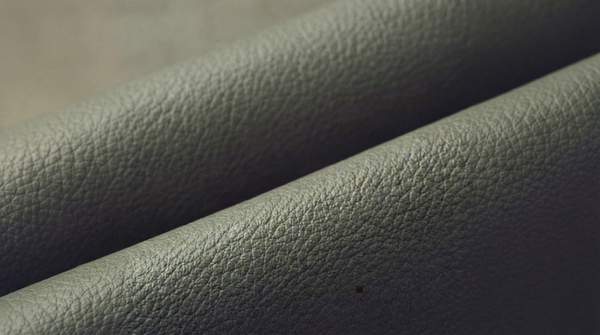
The new generation of materials falls into a few recognizable categories, each attacking a different part of the problem. Mycelium, or mushroom leather, is crafted from fungal biomass; RMCAD's overview describes it as one of the closest comparisons to animal leather available today, though it has acknowledged limitations relative to the traditional material. Pineapple leather, known as Piñatex, is fashioned from pineapple leaves and wood pulp, converting what would otherwise be agricultural waste into one of the leading leather alternatives — a meaningful distinction given that leather itself ranks among the least sustainable traditional fashion fabrics.
Beyond leather substitutes, TOPIKU notes brands experimenting with algae-based textiles, lab-grown leather, and biodegradable synthetics designed to leave no trace at the end of their life cycle. The shared premise, per IFA Paris, is reducing CO₂ emissions and dependence on fossil fuels while adding distinctive aesthetics unavailable in conventional textiles.
Comparing Traditional and Innovative Fashion Materials
The table below juxtaposes the documented drawbacks of conventional cotton and the fast fashion model against the stated sustainability premises of the emerging biosourced alternatives, so the rationale for each category is visible at a glance.
| Material / Model | Source / Composition | Key Sustainability Claim or Issue | Known Challenges |
|---|---|---|---|
| Conventional cotton | Agricultural fiber | Among the most water-intensive and pesticide-heavy agricultural processes; thousands of liters per T-shirt; chemicals harm soil and ecosystems | Environmental and health harms from farming practices |
| Mushroom-based mycelium fabrics | Grown from fungal biomass | Mimics animal leather with reduced environmental impact; one of the closest leather comparisons | Limitations when compared directly with animal leather |
| Pineapple-based fibers (Piñatex) | Pineapple leaves and wood pulp | Uses agricultural waste to create a leading leather alternative | Leather remains a demanding performance benchmark |
| Algae-based textiles | Renewable biomass | As biosourced materials, aim to reduce CO₂ emissions and fossil-fuel dependence | Still experimental; limited market availability |
| Fast fashion model | Rapid production of inexpensive, trendy clothing | Carbon emissions 11 times higher than traditional fashion; excessive waste, water use, and harmful chemicals | Driven by high consumption in developed countries |
| Sustainable alternatives generally | Biosourced and organic fibers | Reduce local pollution; appeal to consumers seeking responsible choices | Higher production costs; limited accessibility; need for greater consumer awareness |
Read together, the rows explain the industry's logic: cotton's problems are agricultural, leather's are waste- and emissions-related, and the fast fashion model compounds both through sheer volume. The biosourced categories are each targeted at one of those pressure points — waste reuse in the pineapple case, renewable low-impact growth in the mycelium and algae cases — rather than offering a single universal fix.
Navigating the Hurdles: Challenges for Sustainable Materials
Better materials alone will not transform the industry, because the obstacles are economic as much as technical. RMCAD's analysis is candid: environmentally friendly textiles can be more costly to produce, which means designers and clothing companies often have to charge more for sustainable items, making it harder for the average consumer to make responsible choices. The same analysis notes that rising demand requires industry insiders to be more vigilant about the materials they select, and that greater consumer awareness and education are needed. In other words, the gap between an exciting mycelium swatch and an affordable garment on a store rail is bridged by cost structures and by shopper knowledge — not by the material's performance alone.
Redefining Fashion's Future Through Material Innovation
What distinguishes the current moment is that material innovation is now framed as structural rather than stylistic. IFA Paris describes biosourced fibers as revolutionary rather than trendy, while TOPIKU emphasizes that consumers play a role by supporting brands that prioritize sustainability and choosing garments that balance style with responsibility. The realistic picture is a transition: mycelium and pineapple leathers substitute for one of the least sustainable traditional fabrics, algae and biodegradable synthetics target emissions and end-of-life waste, and conventional cotton's problems define the benchmark every alternative must beat on water, pesticides, and soil health.
Moving Towards a Sustainable Wardrobe
Consumers and industry stakeholders should prioritize understanding the material composition and production processes of fashion items to support the shift towards sustainable alternatives. That means reading fiber labels the way one reads ingredient lists — asking whether a garment's material was grown from waste or renewable biomass, and at what environmental cost. The measurable indicator of progress is increased market availability and consumer adoption rates of clothing made from innovative biosourced materials, alongside a reduction in the environmental footprint of fashion supply chains. Watch for biosourced garments appearing at accessible price points rather than only in avant-garde collections: when a mycelium or pineapple-fiber piece is no longer more expensive or harder to find than its conventional counterpart, the material revolution will have moved from runway to rail.