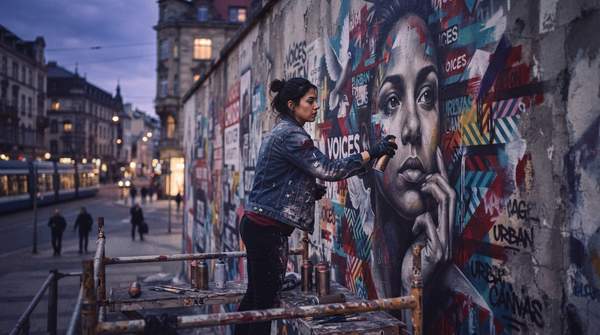
The Syrian Cassette Archives aims to bring forgotten Syrian music back to life, track by track, through a comprehensive online initiative. This digital effort recovers a vast sonic heritage, offering global listeners access to recordings that might otherwise remain unheard, connecting them with a specific cultural past.
Yet, digitalization is often seen as a force for cultural homogenization, threatening unique identities. Paradoxically, it proves a powerful tool for hyper-local, community-led cultural preservation, directly countering fears of cultural erosion.
As digital tools become more accessible, community-led cultural preservation efforts are likely to proliferate, shifting the power dynamic from centralized institutions to the people whose heritage it is.
The Digital Renaissance of Lost Sounds
The Syrian Cassette Archives, as reported by The New Arab, aims to preserve contemporary musical heritage through digitization. Its collection will be freely available online, as detailed by the Syrian Cassette Archives itself. This initiative democratizes access, moving cultural heritage beyond physical archives or academic institutions. It challenges traditional models that often monetize or restrict access, making it available directly to a global audience by the communities themselves.
The 'free online' model departs from conventional institutional practices. It fosters a global cultural commons, allowing enthusiasts and researchers worldwide to engage with previously inaccessible materials. Such initiatives enable a new, accessible, community-driven form of cultural preservation. This stands distinct from traditional methods, where access might be limited by geography or cost.
Empowering Local Voices and Global Connections
The Ife Development Board launched a digital platform to connect indigenous populations, diaspora members, and global tourists, as reported by Streamlinefeed Co Ke. This initiative underscores communities' growing reliance on digital tools for preservation, prioritizing both connection and reach. Such community-led digital efforts bridge geographical divides, reconnecting scattered populations with their roots and sharing unique stories globally.