Local art exhibitions spark student engagement and community ties

Participants who visit at least three featured stops on the University of Kentucky's new self-guided art trail and collect stamps are eligible to receive a free piece of artwork by a UK faculty...

MR
Matteo Ricci

April 19, 2026 · 3 min read

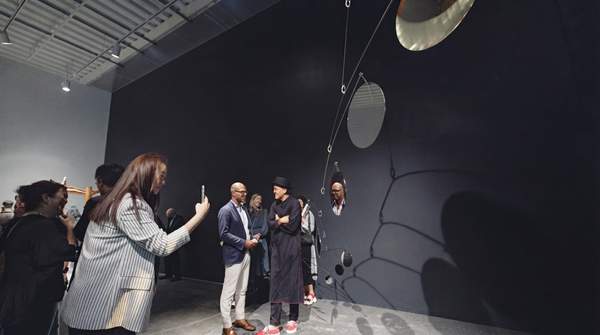
Students and community members actively participating in the University of Kentucky's self-guided art trail, engaging with various artworks.

Participants who visit at least three featured stops on the University of Kentucky's new self-guided art trail and collect stamps are eligible to receive a free piece of artwork by a UK faculty member. The initiative, encouraging engagement with student and local art exhibitions in 2026, transforms art appreciation into an interactive experience. While university art exhibitions are often perceived as exclusive academic events, new initiatives are actively designed to be highly accessible and deeply integrated into community life. Universities are therefore likely to become increasingly vital cultural hubs, blurring the lines between academic institutions and public art spaces.

New Spaces and Public Trails Emerge

  • The Interdisciplinary Experimentations in Art and Science Collaboration Laboratory (IDEAS Collaboratory) at Western Michigan University celebrates the grand opening of its new dedicated space, according to Western Michigan University.
  • The University of Kentucky hosts its inaugural UK Art Trail, a self-guided art walk, on Thursday, April 16, from 4-7 p.m. according to UKNow.
  • The UK Art Trail will also serve as a permanent public art experience with maps available year-round.
  • Participating locations for the UK Art Trail include the UK Art Museum, UK Chandler Hospital, Gray Design Building Gallery, Bolivar Art Gallery, and Great Hall Gallery.

New platforms demonstrate universities' commitment to integrating art into community life. The UK Art Trail's inclusion of the UK Chandler Hospital, alongside traditional galleries, expands the reach of university art beyond academic walls. This makes art accessible to a diverse public, including patients and healthcare workers, who might not typically seek out a gallery. Such initiatives imply a future where art is encountered in daily routines, not just dedicated cultural venues.

Art Addressing Global and Local Issues

The IDEAS Collaboratory exhibition, coinciding with Earth Day, focuses on the impact of plastics on the planet, according to Western Michigan University. The IDEAS Collaboratory exhibition positions art as a direct tool for social commentary and scientific communication, moving beyond purely aesthetic expression.

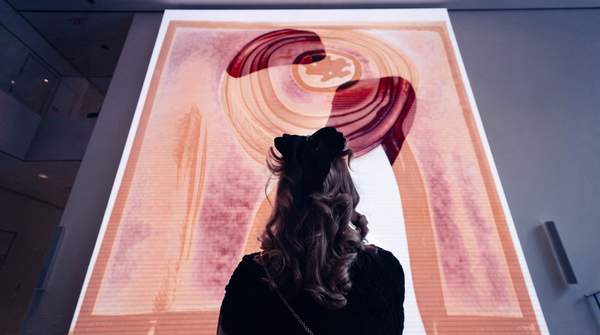
Drexel's Leonard Pearlstein Gallery presents 'two concurrent exhibitions... featuring artists selected from the 2025-26 Call for Entries,' according to Drexel. One exhibition, 'Collective Landscapes,' includes photographs by Matthew Ludak and textiles by Maris Van Vlack, exploring themes of time, disinvestment, and conflict on architectural landscapes. Van Vlack's work further examines the impacts of war and weather on landscapes from her family's history through textile, sculpture, and collage. The exhibitions showcase art's capacity to engage with complex societal narratives, even within a traditional gallery setting.

Universities are increasingly using art to foster dialogue and awareness on critical contemporary issues. While some maintain established gallery structures, others aggressively experiment with decentralized, highly accessible models, revealing a strategic divergence in community engagement.

Fostering Student Talent and Broader Participation

The Leonard Pearlstein Gallery presents two concurrent exhibitions in Spring 2026, featuring artists selected from the 2025-26 Call for Entries, according to Drexel. Similarly, the second phase of the IDEAS Collaboratory involved a cohort of 17 students and a teaching assistant in spring 2026, according to Western Michigan University. The programs provide vital platforms for emerging artists, ensuring a continuous pipeline of new creative voices.

The University of Kentucky's incentive of free faculty artwork for trail participants directly rewards community engagement, transforming passive viewership into active cultural participation. This approach, alongside student involvement and open calls for artists, cultivates both new artistic talent and a more engaged public. The implication is that universities are not just showcasing art, but actively building a participatory art ecosystem.

The Evolving Role of Universities as Cultural Anchors

By integrating art into unexpected public spaces like the UK Chandler Hospital, universities embed cultural engagement into the daily lives of their communities, challenging the traditional exclusivity of academic art. This dual strategy combines traditional galleries with unconventional venues, broadening art accessibility.

Universities like Western Michigan, through initiatives such as the IDEAS Collaboratory, position art as a critical interdisciplinary tool for addressing urgent global issues like plastic pollution. The positioning of art as a critical interdisciplinary tool indicates a future where academic art prioritizes actionable social commentary over purely aesthetic contemplation. As universities innovate in art presentation and community outreach, they are poised to become indispensable cultural anchors, enriching both academic life and the broader public sphere. The University of Kentucky's ongoing Art Trail, with maps available year-round, exemplifies this lasting commitment to public cultural infrastructure beyond its inaugural event on April 16, 2026.