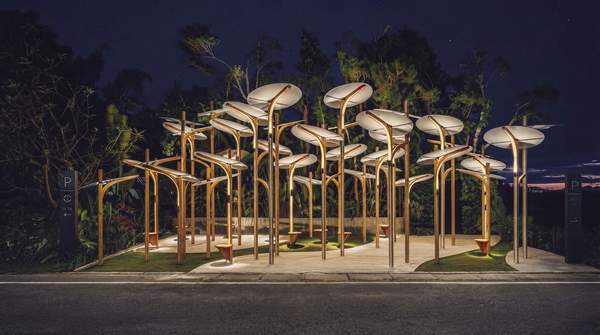
Public art has undergone a profound transformation, evolving from static, commemorative monuments to dynamic, interactive installations that actively shape urban cultural landscapes. This evolution reflects a shift in artistic intent, moving from glorifying power and historical events to fostering community engagement, urban regeneration, and diverse cultural expression. As a journalist observing these changes, I find it fascinating how art in public spaces has become a critical tool for revitalizing cities and reflecting the multifaceted narratives of their inhabitants.

From Monuments to Modernism: The Early Evolution of Public Art

Historically, public art often manifested as monumental sculptures, typically bronze statues of figures like soldiers or politicians, or murals depicting battles. These works served a clear purpose: to commemorate significant historical events, reinforce societal values such as patriotism or self-sacrifice, and inspire virtues in the community. Such traditional forms, like Michelangelo's David, often presented idealized warriors, embodying physical prowess and symbolic permanence. The very nature of a public monument was to endure the ravages of time, including shifting surroundings and inevitable decay, as noted by Artelier.

However, the early 20th century began to challenge these conventions. Auguste Rodin's The Thinker, for instance, diverged from the idealized warrior archetype. Instead, it presented a man defined by intellect and inner power, carrying the burden of human reflection and questioning. This shift marked an early move towards art that explored the human condition rather than solely glorifying external power. By the mid-20th century, public art started embracing abstract forms and site-specific creations, moving beyond mere commemoration to engage with the immediate environment and community, as Americans for the Arts highlights.

The Rise of Site-Specific and Interactive Art

The latter half of the 20th century witnessed a significant departure from traditional monumental forms, with artists increasingly creating works that were intrinsically linked to their specific locations. This era saw the emergence of abstract and site-specific sculptures, designed to respond directly to the place and community in which they resided. These artworks aimed for urban renewal and aesthetic integration, marking a shift towards modern artistic intent in public spaces.

Further pushing these boundaries, land art emerged, challenging conventional notions of preservation and museum exhibition. Works like Robert Smithson's Spiral Jetty (1970) in Utah, for example, emphasized nature's impermanence and environmental awareness. Its continuous transformation due to fluctuating water levels serves as a poignant reminder of the fragility of both artistic and ecological landscapes, according to Artelier. This movement underscored a growing desire for public art to interact with, rather than merely occupy, its environment, often embracing temporary or ephemeral qualities.
Contemporary Public Art: Interaction, Engagement, and Urban Regeneration

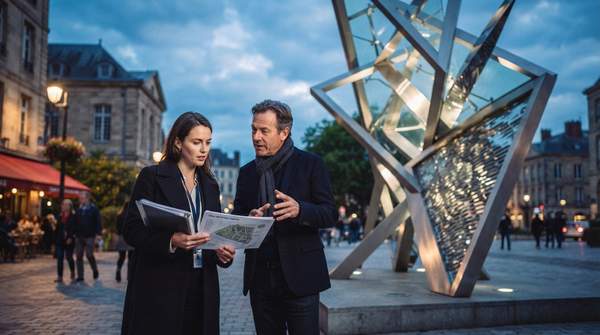
Today's public art is characterized by its interactive, community-focused, and often temporary nature. It has become a critical tool for revitalizing urban spaces, fostering engagement, and reflecting the diverse narratives of urban populations, as explored in the Journal of Arts, Society, and Education Studies. This contemporary approach often involves digital installations, ephemeral architecture, and temporary interventions that aim to create new urban experiences rather than just decorative elements, according to research published on Academia.edu.

The focus has increasingly shifted towards creating joy, stimulating senses beyond sight, and encouraging active participation. Many contemporary pieces feature interactive components, inviting the public to engage directly with the artwork. This engagement can lead to shared emotional experiences and mutual encounters, enhancing the functions and roles of public spaces in cities. The Aesthetics of Joy notes that while traditional public art aimed to inspire virtues, modern forms increasingly prioritize creating positive emotional responses and enhancing mental well-being.

Timeline: The Evolution of Public Art

Readers can use this timeline to quickly grasp the historical progression of public art forms, their changing purposes, and how they reflect societal values and urban development.

Era/Period Dominant Form Primary Purpose Example
Classical/Traditional Public Art Monumental sculptures Commemoration, glorifying power, representing the human condition 'The Thinker'
Mid-20th Century Public Art Abstract and site-specific sculptures Urban renewal, aesthetic integration 'La Grande Vitesse'
Late 20th Century Public Art Land art Challenging traditional preservation, environmental awareness 'Spiral Jetty'
Contemporary Public Art Interactive digital installations, ephemeral architecture Community engagement, civic co-creation, urban regeneration, enhancing mental well-being 'Sonic Bloom'

Comparative Analysis of Public Art Projects

To illustrate the practical application and impact of evolving public art philosophies, I've selected three distinct projects representing different eras and artistic intentions.

Traditional Monument: 'The Thinker'

Auguste Rodin's The Thinker, conceived in 1880, stands as a powerful example of traditional public art, albeit one that began to challenge its era's norms. Its artistic intent was not to glorify a historical figure or military triumph, but to represent the profound internal struggle and intellectual capacity of humanity. Artelier describes it as diverging from idealized warriors, instead presenting a man defined by intellect, carrying the burden of inner power and the capacity to question and reflect. Public reception has largely been one of reverence, with the sculpture becoming a universal symbol for contemplation and resilience. In its urban cultural landscape, The Thinker reflects a period where art began to delve into psychological depth, offering a static yet deeply resonant presence that invites individual introspection amidst the bustle of city life.

Modern Abstract Sculpture: 'La Grande Vitesse'

Alexander Calder's La Grande Vitesse (1969) in Grand Rapids, Michigan, represents a significant shift towards modern abstract public art. Its artistic intent was to bring a vibrant, abstract form into the urban environment, contributing to urban renewal and civic identity. The sculpture, a large red stabile, was the first public art piece funded by the National Endowment for the Arts' Art in Public Places program. Public reception was initially mixed, with some residents questioning the investment in abstract art. However, city officials proactively addressed this by launching an extensive public education campaign, explaining how abstract sculpture could enhance civic identity and cultural engagement, as Artelier reports. This effort transformed public perception, making La Grande Vitesse an icon that reflects a changing urban landscape embracing modern aesthetics and the idea that art can be a catalyst for community pride and understanding.

Interactive Installation: 'Sonic Bloom'

Yuri Suzuki's Sonic Bloom (2021) in London exemplifies contemporary interactive public art. Its artistic intent is to create joy and stimulate senses beyond sight, specifically hearing, which is often overlooked in public art, according to The Aesthetics of Joy. The installation features colorful, oversized, flower-like sculptures, each producing a unique sound, allowing participants to create their own music as they move through the field. Public reception is designed to be highly engaging and participatory, inviting visitors to let their "inner child out" and experience shared emotional encounters. In the urban cultural landscape, Sonic Bloom reflects a desire for public spaces to be dynamic, playful, and community-driven. It highlights a shift towards art that is temporary, experimental, and focused on enhancing mental well-being and fostering active participation in the city, as noted by Academia.edu.

175 reactions · 14 shares | How can public art and public transportation bring communities together? 🎨🚌 Our #PublicArtChallenge supports tTo demonstrate how contemporary public art is actively used to foster community connection and address civic issues, particularly in public transportation contexts.View original on Facebook

The Evolving Role of Public Art in Urban Cultural Landscapes

The journey of public art, from the stoic grandeur of traditional monuments to the playful interactivity of contemporary installations, mirrors the evolving understanding of urban spaces themselves. Initially, public art primarily served as a top-down declaration, commemorating power or historical narratives. These works were often static, designed for contemplation from a distance, and intended to instill specific virtues or memories within a community, as The Aesthetics of Joy observes.

Today, public art has embraced a more democratic and dynamic role. It is increasingly seen as a critical tool for urban regeneration, fostering community engagement, and reflecting the diverse narratives of urban populations, according to the Journal of Arts, Society, and Education Studies. Contemporary public art often prioritizes civic co-creation, shared emotional experiences, and active participation, transforming public spaces into artistic-architectural laboratories for new urban possibilities, as research on Academia.edu suggests. This evolution signifies a profound shift from art as a static symbol to art as an active, transformative force within the urban fabric.

Embracing Public Art for Dynamic Urban Futures

Urban planners and community leaders should actively integrate diverse forms of public art, especially interactive and community-focused installations, into urban development strategies. This approach moves beyond mere aesthetics, leveraging art as a vital component for fostering vibrant, engaging, and inclusive urban environments. The measurable indicator of success will be increased public engagement with art installations, documented community feedback, and the emergence of new, temporary art projects in previously underutilized urban spaces.

Sources