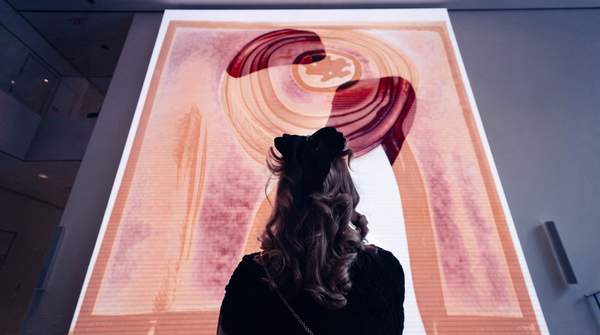
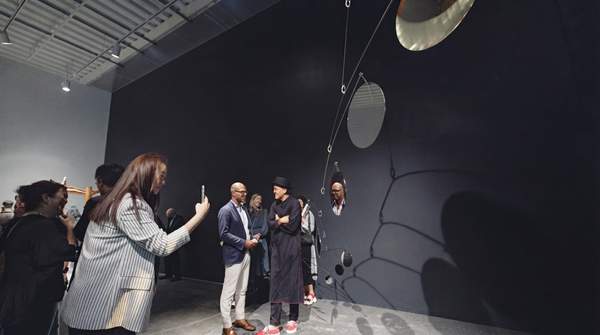
In cities across the globe, a small percentage of capital improvement budgets—often mandated by 'percent-for-art' ordinances—is quietly transforming urban spaces by funding art co-created by the very communities it serves. These mandates, identified by the National Civic League as the most common funding mechanism for municipal public art, empower local residents. This approach allows communities to actively participate in creating art that reflects their shared experiences and aspirations, fostering unique cultural expressions within urban environments.
Yet, participatory public art, despite its profound benefits for community cohesion and identity, struggles with significant challenges. Political antagonism, inconsistent funding, and issues with social acceptance frequently impede its progress. These hurdles often prevent such projects from fully realizing their transformative potential in urban settings.
As cities increasingly prioritize authentic local identity and equitable development, participatory public art will become an indispensable, though challenging, tool for urban planners and community leaders. Its ability to empower local voices offers a clear path toward more inclusive and culturally rich urban futures.
Beyond Statues: What is Participatory Public Art?
Participatory art distinguishes itself from traditional public sculpture by actively involving community members in its creation, design, or implementation. This collaborative process redefines public art from a passive display to an active, co-created endeavor, intrinsically linking art to community well-being. It moves beyond simply placing an object in a public space, instead integrating community narratives directly into the urban fabric.
Its core values, as outlined in research published in PMC, encompass social empowerment, democratization, multidimensional communication, enhanced community cohesion, local cultural identity, educational promotion, and economic benefits. A fundamental shift occurs: art becomes a catalyst for civic agency, not merely an aesthetic addition. By facilitating dialogue among diverse cultural backgrounds, this approach strengthens community bonds and promotes public engagement, ensuring the art reflects local stories rather than external impositions. This implies that participatory art is not just about the final product, but about the transformative social process it instigates, challenging conventional notions of artistic authority and public ownership.

The Power of Shared Creation: Building Identity and Cohesion
Participatory public art directly reflects neighborhood identity, culture, and history, fostering a deeper connection between residents and their surroundings, states the National Civic League. The shared experience of creating these pieces builds community cohesion, transforming public spaces into collective narratives. This process cultivates a profound sense of belonging, moving beyond superficial beautification to embed local stories directly into the urban experience.
While public art is often lauded for its potential to attract tourists and generate revenue for local businesses, as noted by Vibez Creative Arts Space, prioritizing these economic benefits risks undermining its core purpose. Such a focus can dilute the art's capacity to reflect "neighborhood identity, culture, and history" and address "inequities in public art distribution," effectively turning community assets into mere tourist attractions. The true power lies not in commercialization, but in its ability to forge an authentic, shared civic identity.
The Hurdles: Why Participatory Art Isn't Always Easy
Despite its clear benefits, participatory art faces four significant challenges: political and commercial antagonism, social participation and acceptance, sustainability issues, and resource and funding problems, according to PMC. The collaborative nature and community-driven focus often clash directly with traditional power structures and established interests, creating inherent friction.
The widespread adoption of 'percent-for-art' ordinances, intended to fund public art, often overlooks the persistent 'resource and funding problems' specific to participatory projects. A critical disconnect exists: cities allocate funds for art, but not always for the intensive process of deep community co-creation that defines truly participatory endeavors. This gap suggests existing funding structures are either inadequately designed or insufficiently allocated to meet the often higher, specific costs associated with authentic participatory engagement, hindering its potential.
Paradoxically, the very strengths of participatory art—its ability to foster "multidimensional communication" and "social empowerment"—can make it a lightning rod for "political and commercial antagonism," as detailed by PMC. Even when participatory planning aims to address inequities and increase diversity, the significant challenge of "social participation and acceptance" reveals that simply offering the opportunity for engagement does not guarantee a community's full embrace or active involvement. Successful participatory art requires not just funding, but also strategic community-building and conflict resolution.
A Tool for Equity and Inclusive Urban Futures
Participatory planning can identify and address inequities in public art distribution, challenging traditional Eurocentric orientations and increasing diversity and cultural pluralism, states the National Civic League. Beyond mere aesthetics, this art form serves as a critical mechanism for democratizing urban spaces. It ensures that diverse voices and cultures are not just represented, but actively celebrated within public realms.
By giving communities genuine agency in shaping their environment, participatory art directly counters top-down urban planning models. It provides an essential platform for marginalized groups to express their identity and contribute to the collective cultural narrative, transforming passive residents into active co-creators of their civic landscape. This process implies a fundamental redefinition of urban development, where cultural production becomes a driver for social justice and inclusive city-making, rather than an afterthought.
How Do We Know It Works?
Rigorous research methodologies increasingly validate the multifaceted impacts of public art on communities. For instance, a study exploring the roles of public art combines qualitative and quantitative methods to systematically understand its effects, according to MDPI. A comprehensive evaluation captures both social and economic outcomes, moving beyond anecdotal evidence to empirical validation of public art's role in urban regeneration.
Further, the impact of public art on pedestrian engagement has been quantitatively assessed. Research published in ScienceDirect explores how artistic interventions influence the way people interact with urban spaces. Such studies provide concrete data on how art can alter daily routines and perceptions of a city, directly contributing to a unique sense of place. The growing body of evidence from these diverse research approaches implies that public art's efficacy is not merely theoretical; it is measurable, offering tangible metrics for urban planners to justify and refine future investments in community-led artistic initiatives.
The Future is Co-Created
The future of urban development, if it is to be truly equitable and culturally rich, will likely hinge on embracing participatory public art as a cornerstone, not an afterthought. For cities to genuinely thrive, urban development initiatives must prioritize authentic community voice over superficial aesthetic improvements or purely economic gains. This will require organizations like the Municipal Arts Commission to re-evaluate their 'percent-for-art' programs by Q4 2026, specifically earmarking funds for the intensive community engagement processes participatory art demands, ensuring its transformative potential is fully realized and sustained.