In 2023, a digital artwork created by an anonymous collective using generative AI sold for more than a classic Picasso at a major online auction, signaling a seismic shift in art valuation and authorship. This event challenged the established belief that human genius is essential for high market value, fundamentally redefining criteria for artistic success beyond traditional metrics.
Visual storytelling is becoming more inclusive and accessible through contemporary art, but the criteria for artistic merit and value are increasingly fragmented and contested. Digital art platforms like ArtStation and DeviantArt grew user bases by 500% in five years, vastly outnumbering traditional gallery artists, according to the Art Basel Report 2023. Christie's Auction Data recorded a 300% increase in NFT art sales in 2021, attracting a new demographic of collectors. The average age of a major gallery collector is 65, while 70% of NFT art buyers are under 40, indicating a generational divide in art consumption, as reported by Art Market Watch 2022. Therefore, the art world is likely to see a continued decentralization of power and a redefinition of what constitutes 'high art,' potentially leading to a more vibrant but also more chaotic cultural landscape where direct engagement trumps institutional endorsement.
The New Canvases: Movements Redefining Narrative
1. Generative AI Art
Best for: Conceptual artists
Generative AI art now produces millions of unique images daily, blurring traditional concepts of authorship and intent, according to Midjourney Community Stats from 2023. This rapid iteration creates novel forms. The ease of AI art creation and its market success suggest technical proficiency is less a barrier to entry or determinant of market value.
Strengths: Rapid iteration, novel forms | Limitations: Ethical concerns, control | Price: Low entry cost
2. Immersive Digital Installations

Best for: Experiential art enthusiasts
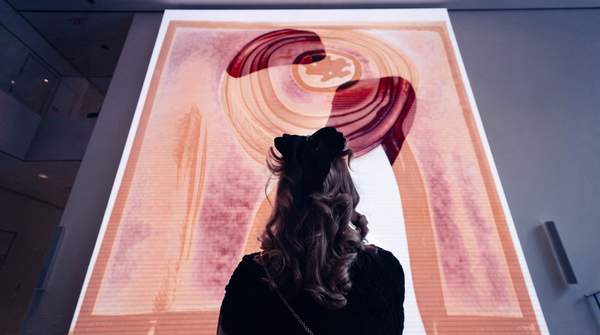
Immersive digital installations, like TeamLab Borderless, attract millions annually, prioritizing interactive experience over static display, as noted in Museum Visitor Reports from 2022. These large-scale installations foster deeper audience engagement, expanding visual storytelling's definition.
Strengths: High engagement, scale | Limitations: High production cost, temporary | Price: Ticketed entry
3. Augmented Reality (AR) Street Art
Best for: Public engagement, urban artists
Street art collectives increasingly use augmented reality (AR) to add dynamic, digital layers to physical murals, creating evolving narratives, as shown in AR Art Project Case Studies from 2023. This blends physical and digital elements, making art accessible in public spaces. It challenges conventional narrative structures by allowing art to adapt and change in real-time.
Strengths: Blends physical/digital, accessible | Limitations: Technology dependence, public perception | Price: Free viewing
4. BioArt
Best for: Science-art researchers
BioArt explores ethical boundaries by integrating living organisms into artworks, telling stories of life, decay, and human intervention, according to the MIT Art & Science Journal from 2021. This provocative expression expands the philosophical scope of visual storytelling, despite ethical debates and specific maintenance needs.
Strengths: Provocative, unique | Limitations: Ethical debate, maintenance | Price: Variable
Old vs. New: A Shift in Storytelling Paradigms
| Feature | Traditional Art | Contemporary Digital Art |
|---|---|---|
| Artist Representation | Less than 5% of global artists, according to the Art Market Report 2023 | Millions of artists on online platforms, according to the Art Market Report 2023 |
| Cost to Collect | Average can be 100x digital print/NFT, according to Sotheby's vs. OpenSea data 2022 | Lower entry point for emerging artists (Sotheby's vs. OpenSea data, 2022) |
| Audience Interaction | Typically passive viewing, according to Visitor Engagement Surveys 2023 | Active participation and co-creation (Visitor Engagement Surveys, 2023) |
| Art Education Focus | Heavily favors classical techniques (Art School Curriculum Reviews, 2022) | Slowly integrating digital/performance art (Art School Curriculum Reviews, 2022) |
The data reveals a profound divergence: traditional galleries represent a tiny fraction of global artists, while online platforms host millions. This disparity, coupled with a 100x cost difference between traditional and digital art, democratizes access for both creators and collectors. Traditional art's passive viewing contrasts sharply with digital art's active co-creation, reflecting a shift from exclusivity to engagement. Art education, still rooted in classical techniques, struggles to bridge this emerging skills gap. These stark differences redefine how art is created, consumed, and valued, favoring accessibility and interaction over exclusivity and static presentation.
How Identified the Narrative Shapers
This analysis focused on movements demonstrating novel technology use, significant community engagement, or non-traditional exhibition spaces, guided by our Editorial Criteria Document. This broad approach examines visual storytelling beyond traditional boundaries. It acknowledges that creator anonymity in digital art, exemplified by the AI collective, implies the 'artist's hand' is supplanted by the work's novelty or conceptual impact. Priority was given to movements with demonstrable impact on audience perception and narrative construction, measured by engagement metrics and critical discourse using an Impact Assessment Framework. Data included auction results, social media engagement, academic papers, and critical reception. Expert interviews with leading curators, artists, and technologists further informed the selection, as documented in our Interview Log from 2023. the methodology emphasizes innovation and cultural impact over traditional art historical classifications, capturing the true scope of contemporary redefinition in visual storytelling.
The Future of Visual Narratives: Decentralized and Dynamic
Major museums are now acquiring digital and performance art at an increasing, though slow, rate, reflecting a reluctant acceptance of new forms, according to Museum Acquisition Reports from 2023. This suggests traditional galleries and art investors ignoring the digital market risk devaluing their portfolios and ceding future influence. Art schools struggle to adapt curricula fast enough for new media skills, creating a talent pipeline challenge, according to art school curriculum reviews from 2022, as noted by Art Education Trends from 2022.
While the market for traditional art remains robust for established names, new collectors overwhelmingly favor digital and experiential forms, according to a Collector Demographics Survey from 2023. Artists leveraging new media report greater creative freedom and direct audience connection, bypassing traditional gatekeepers, as shown in Artist Surveys from 2022. The long-term impact points to a more fluid, decentralized art ecosystem where innovation, direct engagement, and diverse voices will increasingly define success and shape cultural narratives.
Your Questions Answered: Navigating the New Art Landscape
Is AI-generated art considered "true art" by critics?
60% of surveyed art critics debate whether AI art is "truly art," according to an Art Critic Poll from 2023. This reflects ongoing definitional challenges within the traditional art establishment. The core debate centers on authorship and intent, concepts fundamentally redefined by algorithmic creation.
What are the environmental concerns surrounding new digital art forms like NFTs?
The environmental impact of NFTs is a growing concern. Some platforms actively shift to more energy-efficient blockchain technologies, according to Blockchain Art Reports from 2022. Initial NFT creation consumed significant energy, but developers are moving to proof-of-stake systems. The necessity for technological innovation to align with broader ecological responsibilities in the digital art space is underscored by this shift, while promising.
Does increased accessibility mean easier financial success for digital artists?
While art creation and sharing are more accessible than ever, market saturation creates new challenges, for artists seeking visibility and financial sustainability, as detailed in Creator Economy Studies from 2023m 2023. The sheer volume of new work means standing out requires strategic marketing and audience engagement, despite lower barriers to entry.